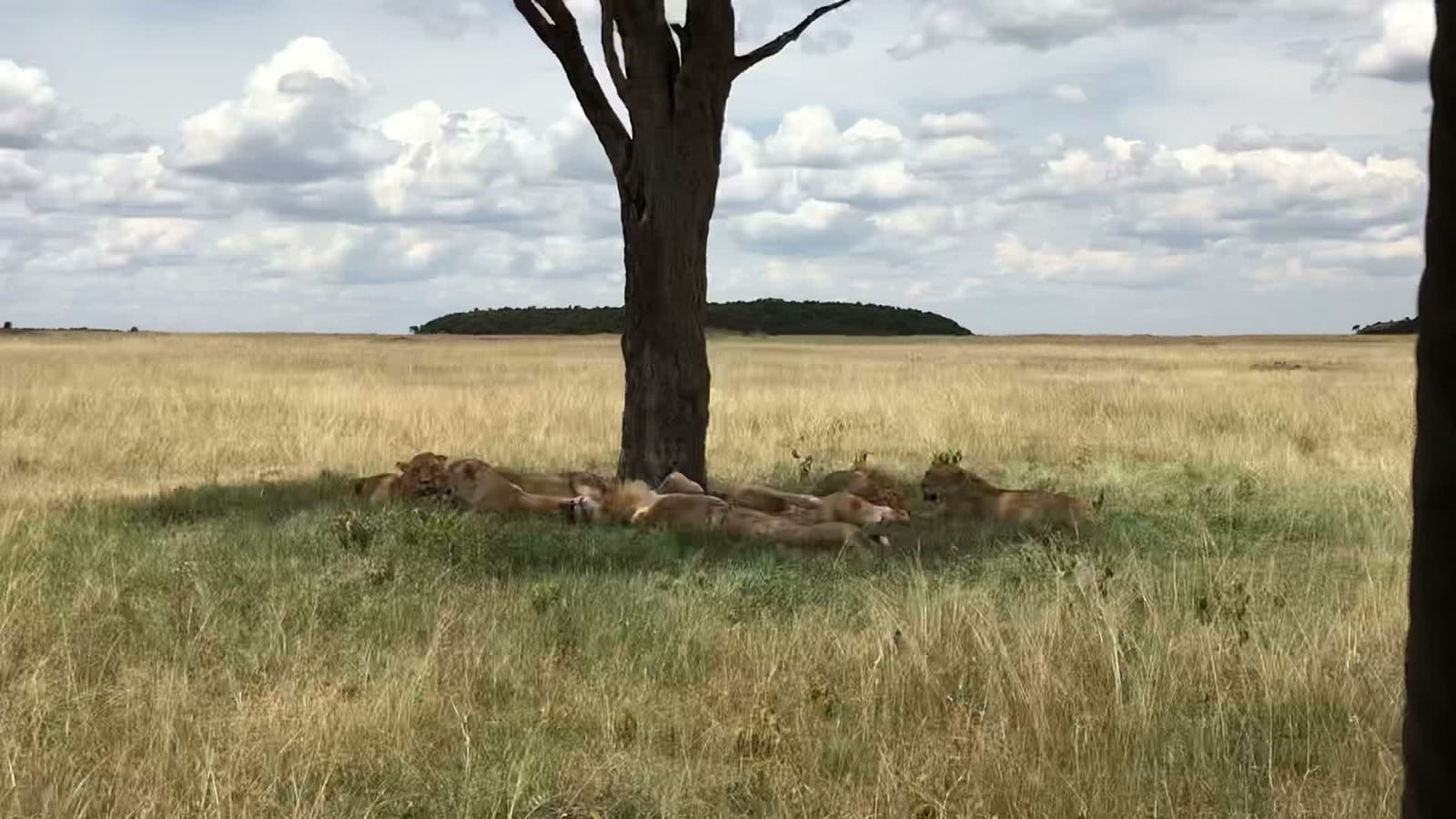
I used to think exclusive meant a velvet rope and a guest list. The Mara changed that for me. Out there, exclusive is a front-row seat to the plains, shared with the animals and the wind and very few other people.
What makes a Maasai Mara safari feel luxurious? Space and timing. Go between July and October for the river crossings, stay at a small camp on the river or in a private conservancy where vehicle and bed numbers are capped, and let your days run on two game drives, long lunches and a sundowner with a glass in your hand.
Key facts
- Entry: Kenya uses an Electronic Travel Authorisation (eTA), not a visa, for most visitors. Apply at etakenya.go.ke. Standard processing starts at $30 and can take up to 72 hours (as of October 2026).
- Migration: river crossings run from around July to mid-October, busiest in August and September. The herds follow the rain, so it shifts a little every year.
- Park fees: set by Narok County. As of October 2026, US$200 per non-resident adult per day from July to December, and US$100 per day from January to June.
- Reserve or conservancy: conservancies cap beds and vehicles and allow walks and night drives. The reserve is daytime only, on roads.
- Getting there: a short bush flight from Nairobi to an airstrip near your camp.
Why the Mara still sets the standard
The Maasai Mara is where the plains open up the way you pictured them as a child. Grass to the horizon, flat-topped acacias, and so much wildlife that you stop counting. Lions, cheetahs, leopards, elephants and buffalo all live here year-round, and from about July the wildebeest herds pour in from Tanzania and start crossing the Mara River.
 Photo: Caviar in the Air
Cheetahs are a big part of why people fall for the Mara. The plains are open and the grass is short enough for long, unhurried sightings, and a good guide knows where the regulars like to rest through the heat of the day.
Reserve or conservancy: what you're really choosing
This is the decision that shapes your whole safari, and it took me a while to understand it.
The Maasai Mara National Reserve is the famous core. It's run by Narok County, and the rules are simple: vehicles stay on the roads, and all game viewing ends at sunset. The western section, the Mara Triangle, is managed by the non-profit Mara Conservancy, and it has its own sighting rules. When more than five vehicles are waiting at an animal, viewing time drops to 10 minutes, and waiting vehicles hold back at 100 metres.
The conservancies wrap around the reserve. They exist because Maasai landowners with neighbouring plots agreed to let safari camps use their land in return for lease fees or a share of profits. Each one has only a few camps, with strict limits on beds and on how many vehicles can sit at a sighting. Because it's private land, camps there can offer guided walks, night drives and off-road driving to a sighting.
My honest take: in migration season, the conservancies are where exclusive really shows up. You'll still drive into the reserve for the crossings, but you come home to quiet.
When to go
- July to mid-October: migration season, with the river crossings busiest in August and September. It's the most dramatic time and the most expensive, and the park fee doubles from July 1.
- November to December: shoulder season. Lower lodge rates and green plains.
- January to June: the US$100 park-fee season. March to May is the long rains, when some camps close or offer their lowest rates.
The herds follow the rain, so no one can promise a crossing on a given day. Building four nights into your stay, as our trip does, gives you real chances.
Where to stay
All rates below are per person per night, sharing, and fully inclusive unless noted. They're published 2026 rates, as of October 2026.
Sanctuary Olonana. This is where we stay on the Kenya + Uganda Experience, and the camp I can never stop talking about. It sits on a private stretch of the Mara River, run by Abercrombie & Kent, with glass-fronted suites, sunken sitting areas and decks looking straight onto the water, where hippos are part of the soundtrack. The lodge also offers walks and night drives in the neighbouring Oloisukut Conservancy. As of October 2026, 2026 rates run from about $1,020 (November 1 to December 20) to $2,450 (June 1 to October 31), with meals, drinks, two daily game drives and a Maasai village visit included. I wrote a whole post on why Olonana is my favorite hotel in the world.
 Photo: Caviar in the Air
Angama Mara. Two camps of 15 tented suites each, high on the Oloololo Escarpment with the Mara Triangle spread out below. The glass-fronted suites are the view you see all over Instagram. As of October 2026, rates start from $1,850 in standard season, with higher rates in peak migration months.
Mara Plains Camp. For the most private option, this Great Plains camp has just seven tented suites, sleeping 14 guests, in the Olare Motorogi Conservancy on the reserve's northern border. Night drives and Maasai village visits are on offer. As of October 2026, 2026 rates start around $1,745 in the low season and climb past $3,400 in migration season.
The day that makes it
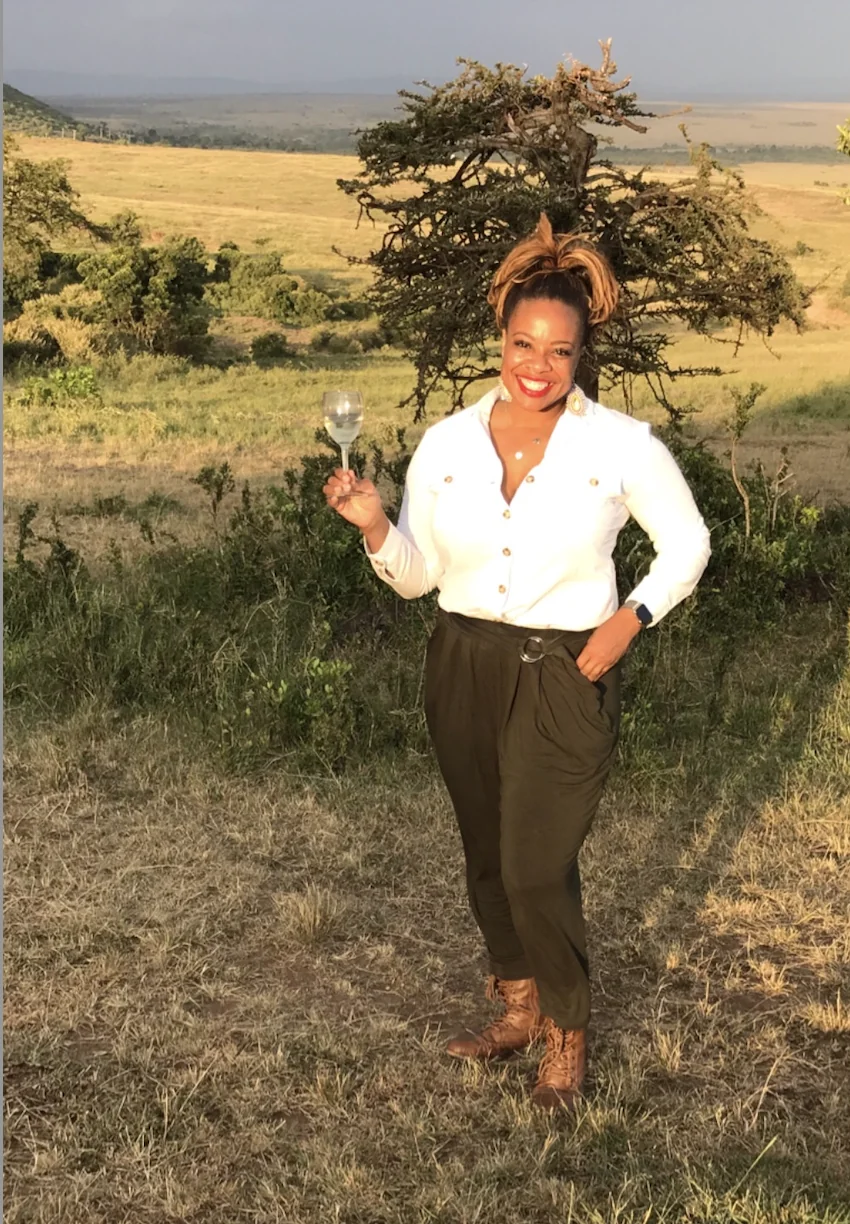
Most Mara days follow the same lovely rhythm. An early drive while the cats are still active, breakfast back at camp, a long lunch, rest through the heat, then out again in the late afternoon. The drive ends with a sundowner somewhere on the plains, a glass of something cold while the sky goes gold.
 Photo: Caviar in the Air
If you want the plains from above, a sunrise hot air balloon floats over the Mara most mornings. On our trip it's optional and priced separately, so it's there for you if you'd like it, and no one will push it.
The Maasai partnership
The Mara is Maasai land, and the conservancy model depends on the families who own it. A village visit, with a guide, is a chance to meet the elders and their families and learn how a homestead is organised. It's included on our trip, and it's one of the afternoons guests talk about long after they're home.
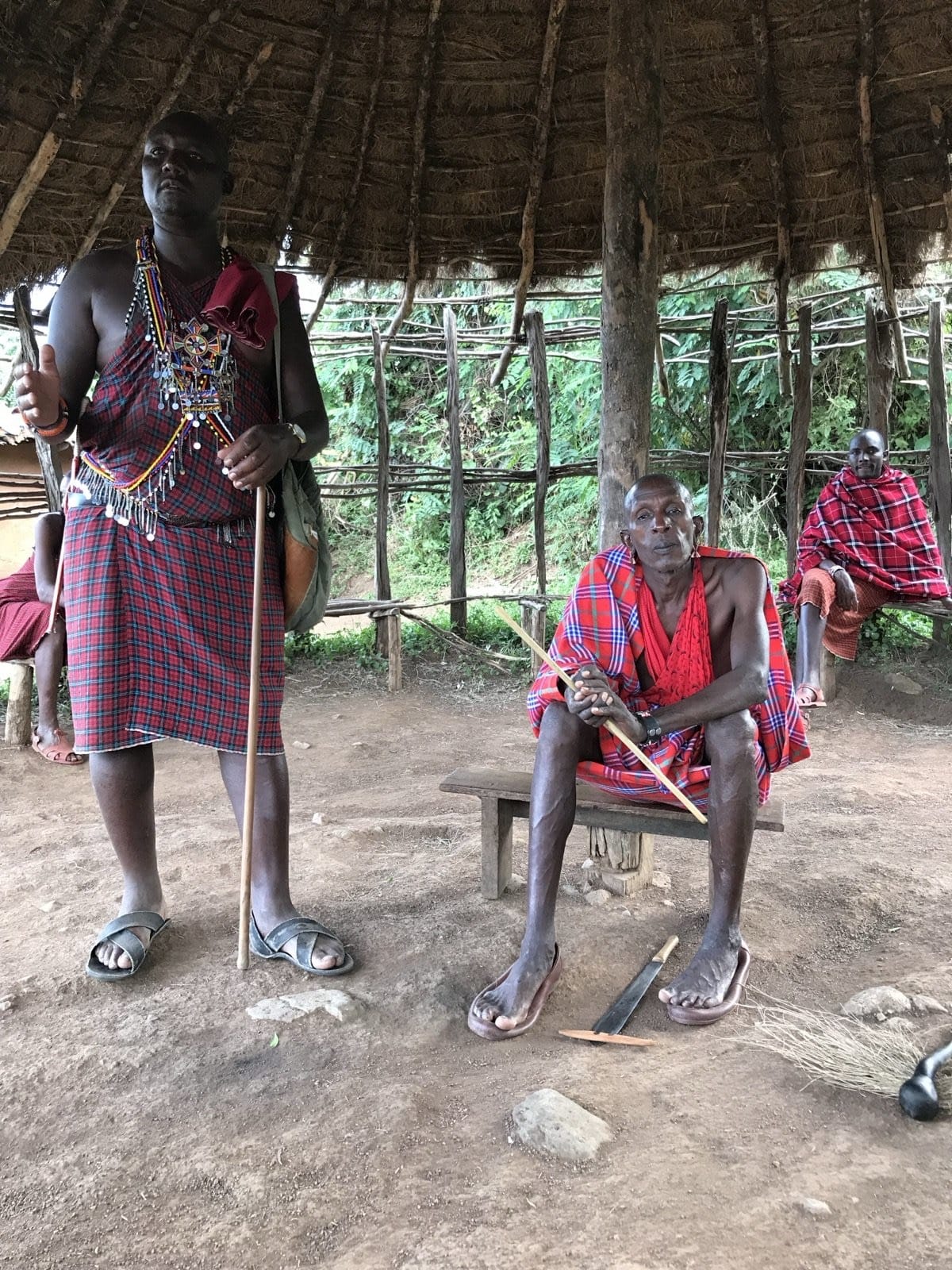 Photo: Caviar in the Air
Make the Mara part of the bigger trip
The Mara is the heart of our Kenya + Uganda Experience. It's eight days: a night in a five-star Nairobi hotel with a welcome dinner, four nights at Sanctuary Olonana with daily game drives, sundowners, a nature walk and the Maasai village visit, then two nights at Sanctuary Gorilla Forest Camp in Bwindi for a gorilla trek. It's a private trip, planned around your dates.
Planning more time in Kenya? Start with my 48-hour Nairobi stopover guide, and if you want even more space and quiet, read my guide to the Laikipia conservancies.
Book a free consultation and tell me what you're celebrating. You deserve to watch the Mara wake up from a riverside deck.
 Personal Story
 Personal Story
 Personal Story