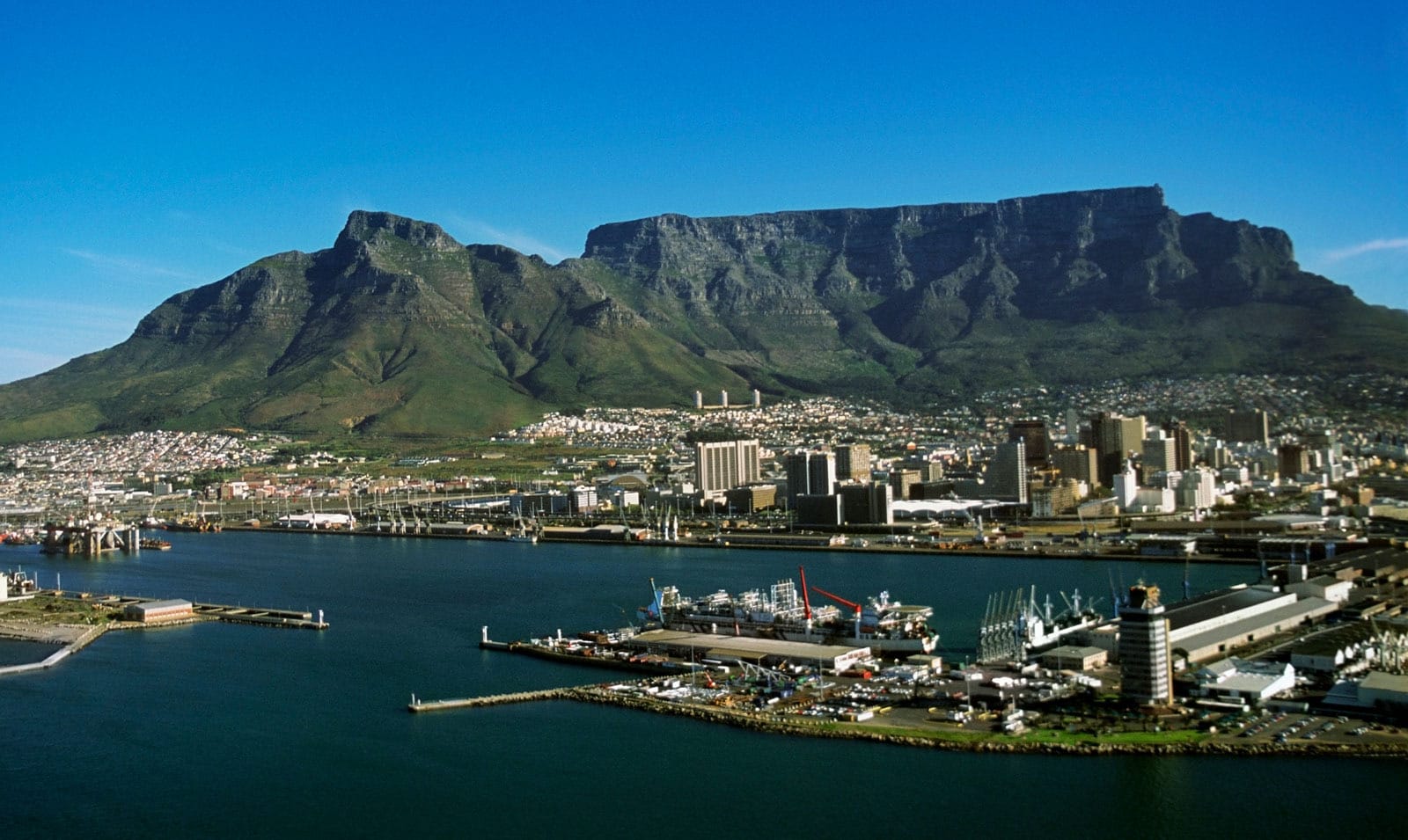
South Africa is one of the few countries where you can fit a serious safari, a city week, wine country and a coastal road trip into two weeks without rushing. That range is also why first-time visitors get overwhelmed. This guide walks through how we plan a first South Africa trip for our Caviar in the Air group travelers: what to skip, what not to skip, and how to pace it so you actually enjoy it.
How should you plan a first trip to South Africa? Give it ten to fourteen nights: four or five in Cape Town, two or three in the Winelands or on the Garden Route, and three or four on safari. Go between late September and early November for ideal weather. US passport holders don't need a visa for stays under 90 days.
Key facts
- How long: 10 nights minimum on the ground, 12 to 14 ideal.
- Best time: late September to early November. July to September is peak safari season.
- Entry: no visa for US passport holders staying under 90 days. Yellow fever proof is only needed if you transit through certain other African countries.
- Where to stay: One&Only Cape Town, Cape Grace, Ellerman House or Mount Nelson in Cape Town.
- Caviar trip:The South Africa Experience, 11 days across Johannesburg, Pilanesberg, Cape Town and Stellenbosch.
How Long You Need
We rarely recommend a first South Africa trip shorter than ten nights on the ground, not counting flying days. Twelve to fourteen is the sweet spot. A common, well-paced shape:
- Cape Town: 4–5 nights
- Cape Winelands or Garden Route: 2–3 nights
- Safari (Sabi Sand, Kruger area, or Madikwe): 3–4 nights
Less than that and you're paying long-haul flight prices to be jet-lagged in transit. More than that and most travelers want to add a second country (Victoria Falls, Botswana, or Namibia), which is its own conversation we can have on a discovery call.
Cape Town: The Anchor City
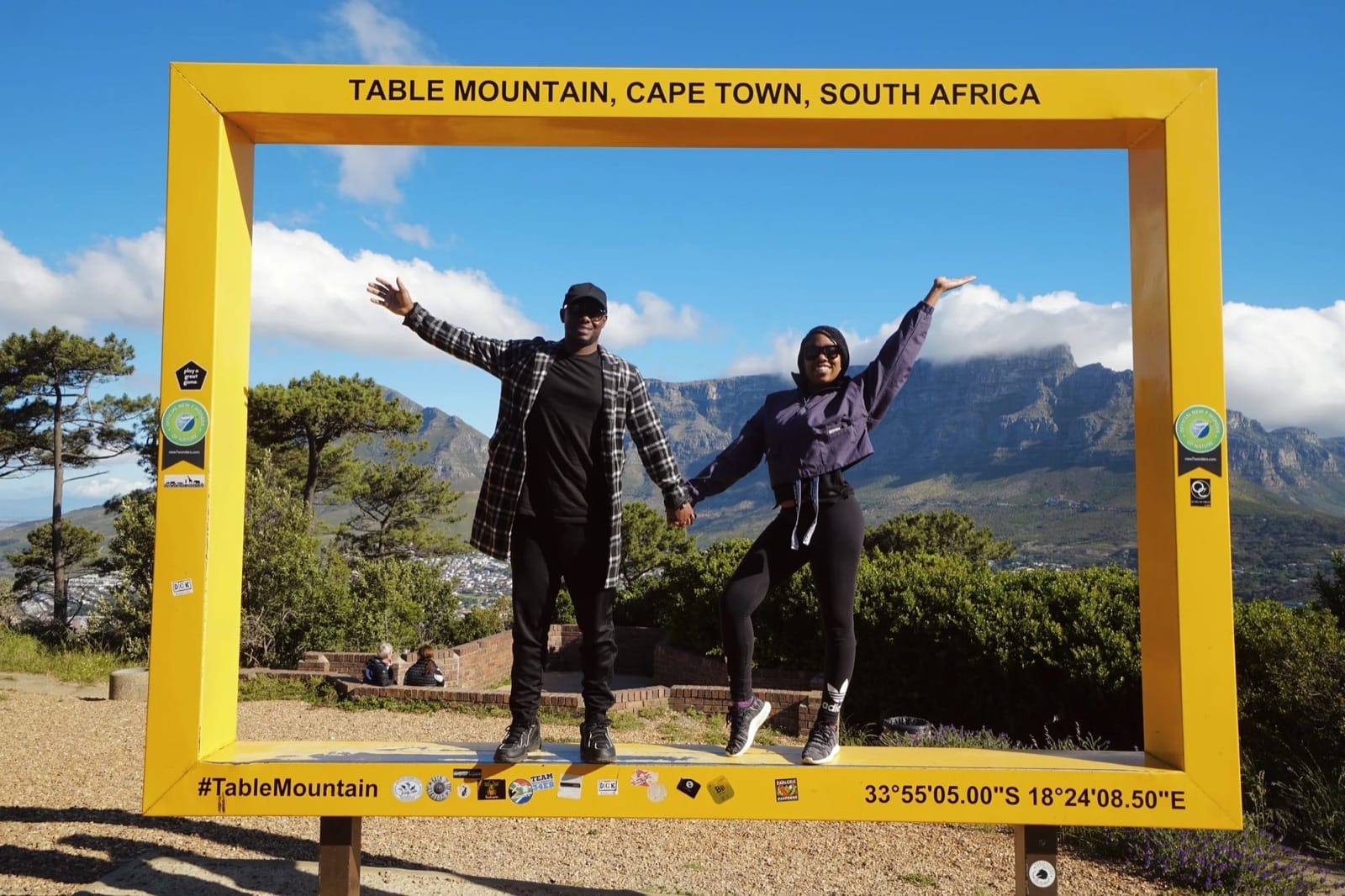
Cape Town is the easiest entry point in Africa for first-time visitors, and we treat it as the anchor of every itinerary. The non-negotiables:
- Table Mountain: go on the first clear morning you have, not the last day. Weather closes the cableway often.
- Cape Point and the Cape of Good Hope: a full-day private tour that includes Boulders Beach penguins.
- Robben Island: book the first ferry of the day and pre-purchase tickets weeks in advance.
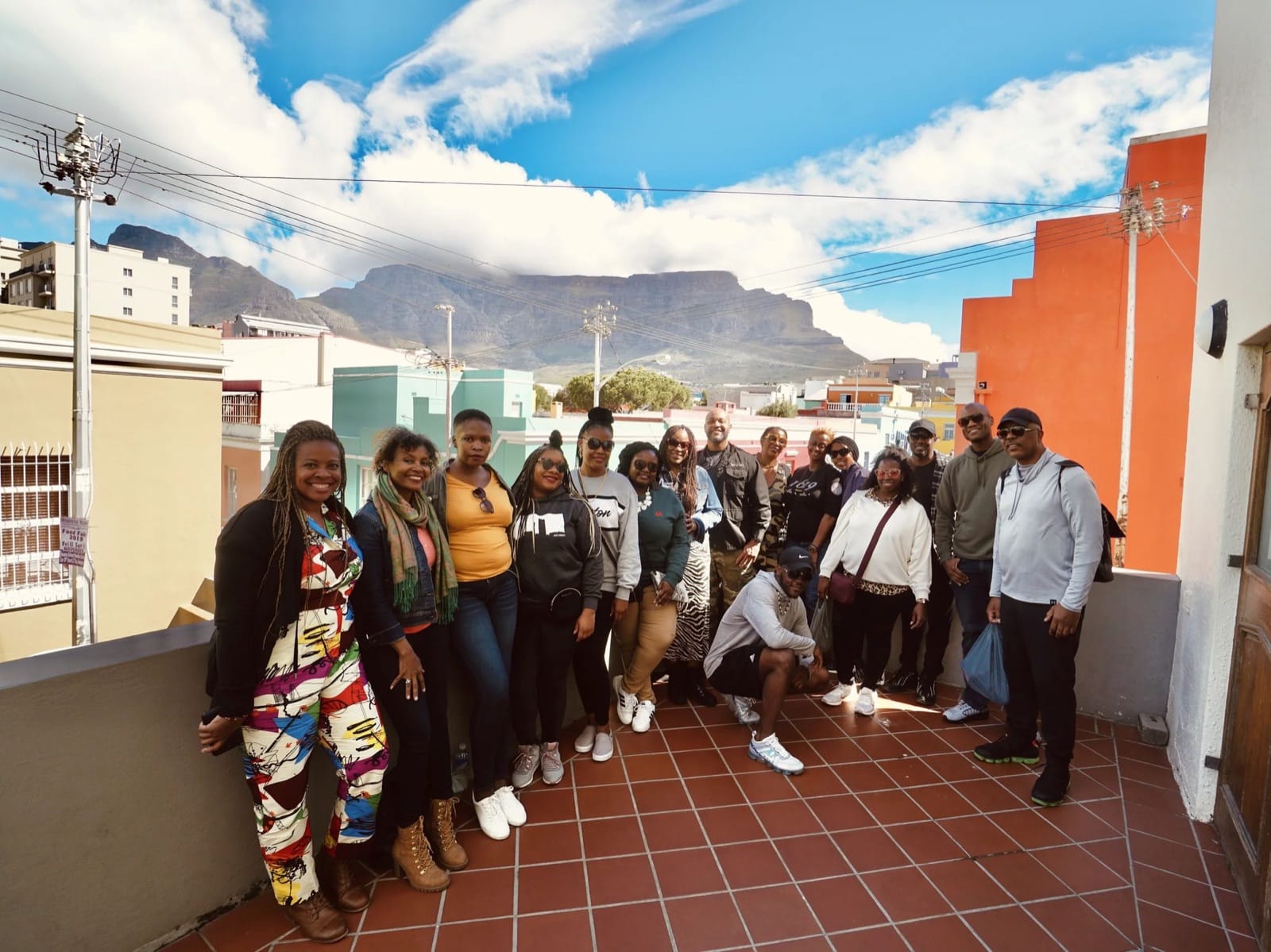
- Bo-Kaap walking tour: for the cultural and culinary depth most generic itineraries skip.
- A meal at La Colombe, FYN, or Salsify at the Roundhouse: Cape Town is one of the great food cities of the world.
Where to stay: One&Only Cape Town, Cape Grace, Ellerman House, or Mount Nelson are our most-booked properties.
The Winelands or the Garden Route
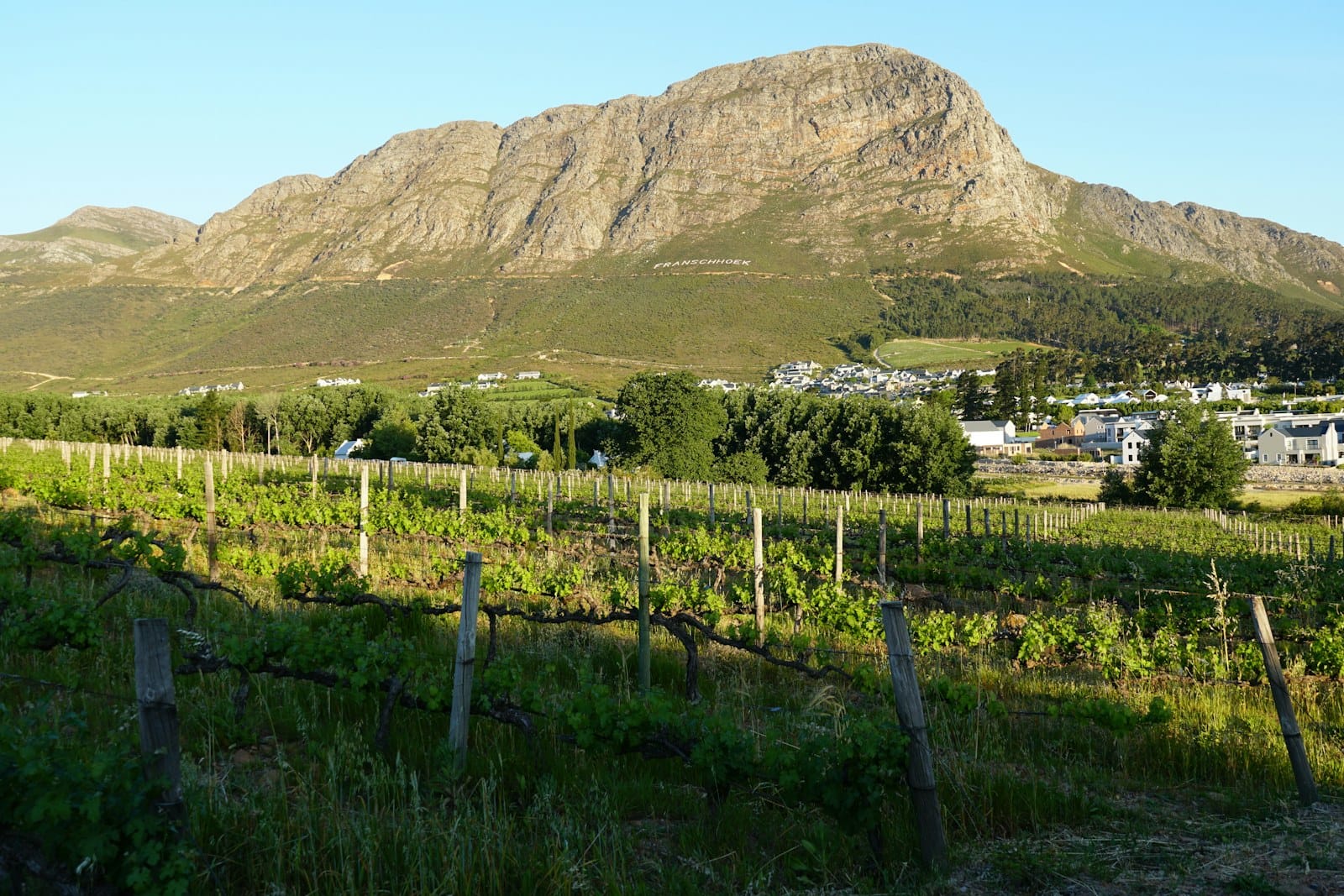 Photo: Sheila C / Unsplash
Cape Town opens into two natural extensions, and which one you pick depends on the mood of your trip.
- The Winelands (Stellenbosch and Franschhoek): wine, Cape Dutch architecture, easy 1-hour drive, two nights ideal. Best for couples and groups who want to slow down.
- The Garden Route (Hermanus to Knysna or Plettenberg Bay): whales, beaches, hiking, longer drive (4–6 hours), three to four nights ideal. Best for travelers who want a road-trip leg.
If you cannot choose, the Winelands wins for first-timers. The Garden Route is better on a return visit, when you can give it the time it deserves.
The Safari: Where Most People Get This Wrong
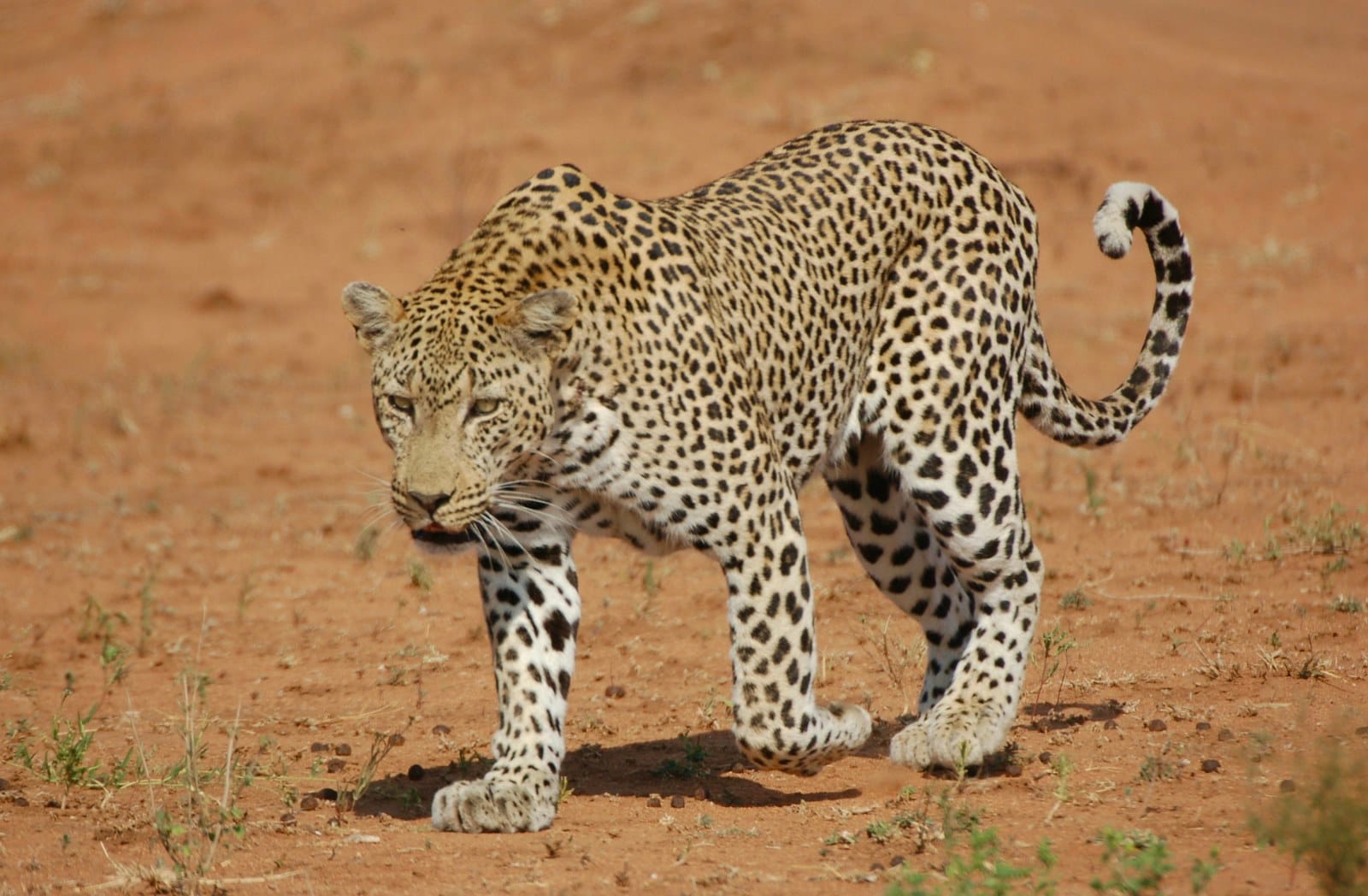 Photo: Jane Stroebel / Unsplash
The most common first-timer mistake is trying to "do safari on a budget" with a self-drive Kruger trip. We do not recommend it for your first time. The math: a private safari lodge in the Sabi Sand or Madikwe gives you two trained guides, a tracker, off-road access, and Big Five sightings in two to three drives. Self-drive Kruger can mean hours in a queue of cars around one sighting.
Our preferred lodges for first-time safari guests:
- Singita Sabi Sand or Singita Kruger: gold standard, exceptional guides.
- Royal Malewane: the most consistently luxe property, especially for milestone trips.
- Londolozi: best for travelers who want a strong conservation story.
- Madikwe lodges (Royal Madikwe, Tuningi): malaria-free, family-friendly, easier flight.
- Shepherd's Tree Game Lodge in Pilanesberg: the lodge on our group trip, malaria-free and a few hours' drive from Johannesburg.
Plan for three nights minimum. Two nights means you arrive, get your bearings, and leave. Three or four lets you see what you came for.
When to Go
South Africa is a year-round destination, but the trade-offs matter:
- April–June: dry season starts; great for safari, mild weather in Cape Town.
- July–September: peak safari (best game viewing), winter in Cape Town (cool, occasional rain).
- October–November: spring; whales offshore, ideal weather, our most-booked window.
- December–February: Cape Town summer (gorgeous beaches), high season prices, more rain at safari camps.
If we had to pick one window for a first-time visitor: late September through early November.
Visa, Health, and Logistics
US passport holders do not need a visa for stays under 90 days. South Africa is one of the few African destinations that's straightforward in that regard. Practical notes:
- Yellow fever: not required if you fly in directly from the US or Europe. Required if you transit through certain other African countries.
- Malaria: Madikwe and the Eastern Cape reserves are malaria-free. Sabi Sand and Kruger are not, so talk to a travel doctor about malaria tablets.
- Power adapters: South Africa uses Type M plugs. Bring an adapter or buy one on arrival.
- Currency: the rand has been favorable to the dollar for years, and many lodges price in USD anyway.
Is It Safe?
This is the most-asked question we get on every Cape Town trip prep call, and I answer it in depth in Is South Africa Safe?. The short answer: yes, with the same big-city common sense you'd use in Chicago or Paris: don't walk alone at night, don't flash valuables, use Uber or your hotel's car service for transfers. Honestly, the more common mistake is packing your itinerary too full.
How We'd Sequence Your First Trip
If we were planning your first South Africa trip from scratch tomorrow, we'd shape it like this:
- Day 1: Arrive Cape Town, check into hotel, dinner at the V&A Waterfront.
- Day 2: Table Mountain morning, Bo-Kaap walking tour, sunset at Camps Bay.
- Day 3: Cape Point + Boulders Beach private day tour.
- Day 4: Robben Island morning, free afternoon, dinner at La Colombe.
- Days 5–6: Drive to Franschhoek, two-night wine country stay.
- Day 7: Fly to safari camp; afternoon game drive.
- Days 8–10: Two full safari days, morning and evening drives.
- Day 11: Fly Johannesburg, connect home.
That's eleven nights, two flights internally, and zero rushed mornings. If you'd rather follow our group route through Johannesburg and Pilanesberg, see the 11-day South Africa itinerary or the full South Africa Experience.
Related Reading:
- Why Luxury Group Travel Is the Future
- Ultimate Tanzania Safari Guide
- Botswana Best Safari Camps Ranked
Ready to plan your trip? Browse our South Africa group experiences or book a complimentary discovery call.
 Destination Guide
 Destination Guide
 Destination Guide