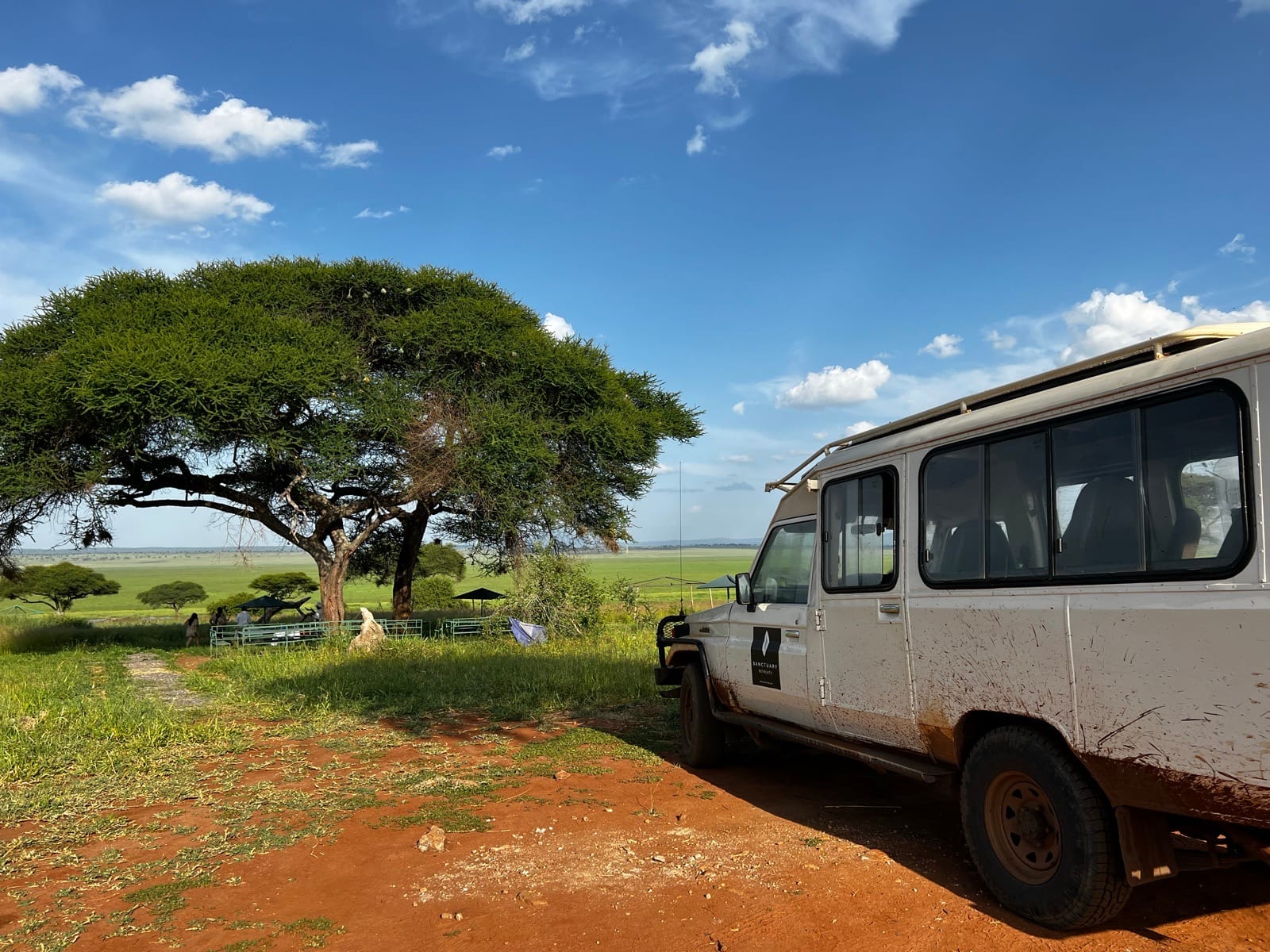
Tanzania sets aside a huge share of its land for conservation, roughly a third of the country by most counts, and you feel it the moment you leave the airstrip.
How do you plan a first Tanzania safari? Pick two or three parks: the Serengeti for the Great Migration, Ngorongoro Crater for black rhino, Tarangire for elephants. June to October is the classic window. Then add Zanzibar for the beach, and plan your health paperwork early.
Key facts
- Best months: June to October for the Serengeti, June to November for Tarangire. Calving season in the southern Serengeti runs January to March.
- Getting there: fly into Kilimanjaro Airport, then transfer to Arusha, the usual start for northern parks.
- Entry: check visa rules for your passport before you book flights. A yellow fever certificate is required if you arrive from, or transit through, a country with yellow fever risk.
- Caviar trip:The Tanzania Experience, 8 private days through Arusha, Tarangire and Zanzibar.
Tanzania's Major Parks
 Photo: Caviar in the Air
- Serengeti: about 14,750 square kilometers and home of the Great Migration. All of the Big Five. Best from June to October, with calving season in the south from January to March.
- Ngorongoro Crater: a volcanic caldera packed with wildlife, good year-round, with a real chance at black rhino. More in my Ngorongoro Crater guide.
- Tarangire: famous for big elephant herds and baobab trees, best in the dry season from June to November.
- Nyerere (formerly part of Selous): huge, remote and wild in the south, with boat safaris on the Rufiji River.
 Photo: Caviar in the Air
The Safari Day
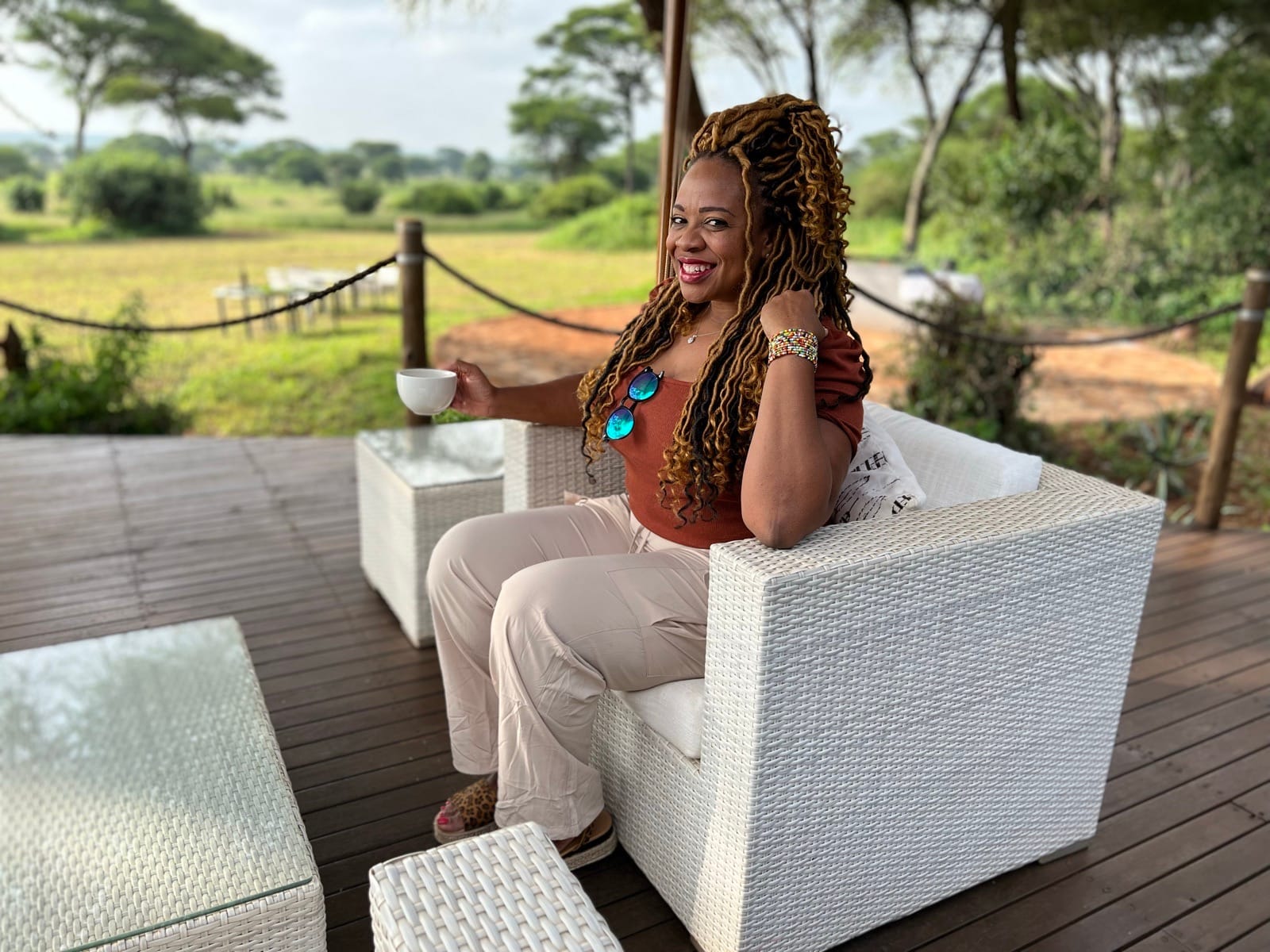 Photo: Caviar in the Air
- 5:30 AM: wake-up with coffee brought to your tent
- 6:00 AM: sunrise game drive
- 9:00 AM: full breakfast at camp
- 10 AM to 3 PM: rest, swim, spa, bush walk
- 3:30 PM: afternoon game drive with sundowners
- 7:30 PM: dinner under the stars
After a few days of that rhythm, most people stop reaching for their phones. That's the soft life, safari style.
What to Budget
A luxury Tanzania safari is a real investment, and rates move a lot by camp, season and how many nights you stay. Park and conservation fees are charged per person per day on top of your camp. We put together a quote for your exact dates and group so there are no surprises.
Health & Safety
- Malaria: talk to your doctor about prophylaxis
- Yellow fever: a certificate is required if you're arriving from, or transiting through, a country with yellow fever risk
- Visa: check the current rules for your passport before you book flights
- Altitude: the Ngorongoro rim sits around 7,500 feet
- Sun: you're near the equator, so pack SPF 50+
When the game drives are done, you deserve a few slow days. Here's how to add Zanzibar after safari.
See our private Tanzania trip or book a free consultation to plan your safari.
 Destination Guide
 Destination Guide
 Destination Guide