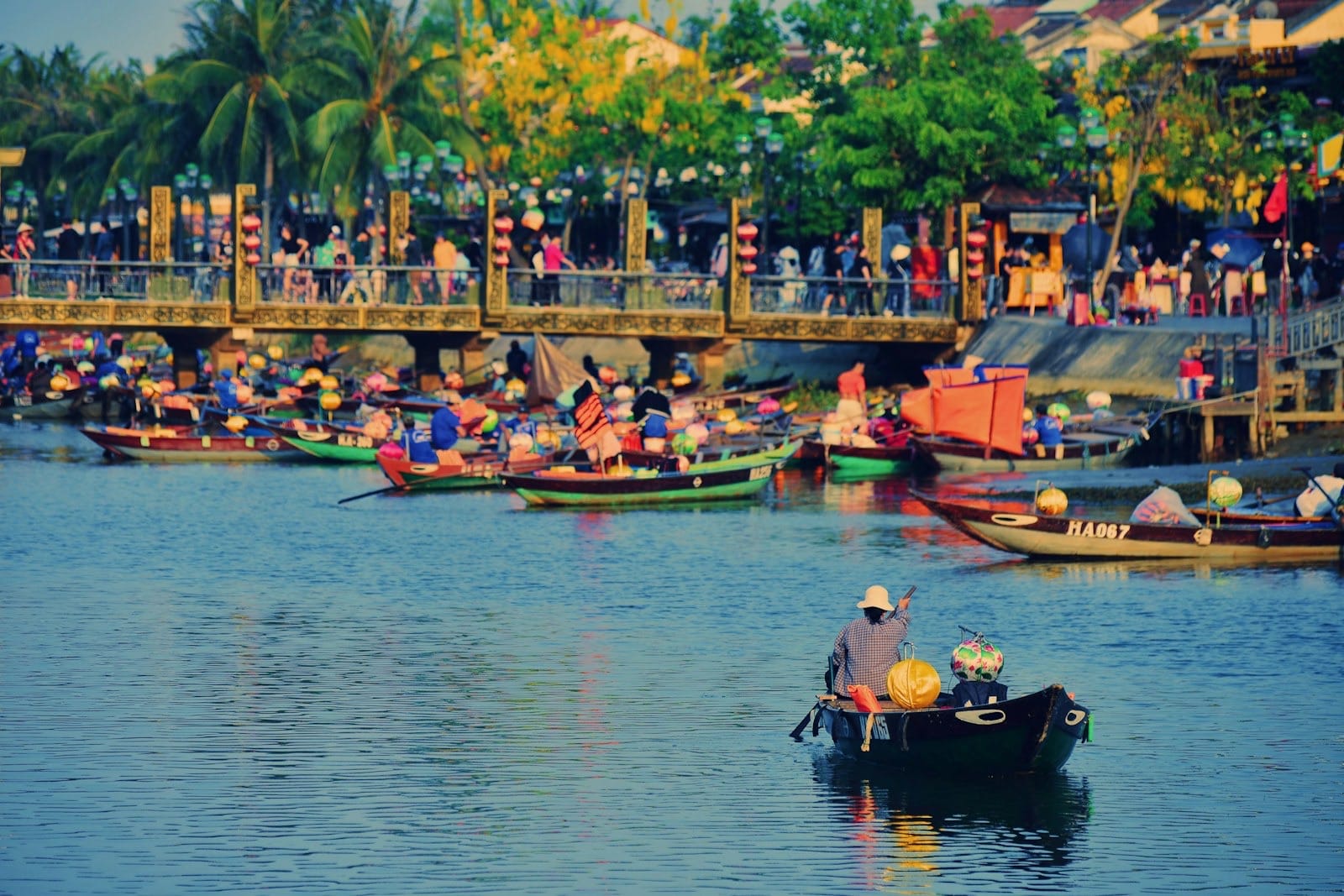
The travel blogs will tell you about pho, Ha Long Bay and Hoi An's lanterns. Those are all real and all wonderful. But the Vietnam that gets under your skin is full of things nobody warns you about.
What should first-time visitors know about Vietnam? The motorbike traffic looks wild but you'll adapt in a day or two, the history of the war is told very differently there, coffee is a slow sit-down ritual, and the boat you choose for Ha Long Bay changes everything. Most of all, expect warmth, curiosity and more great food than you can eat.
Key facts
- Best months: March and April are good across the country.
- Getting there: about 16 hours nonstop from San Francisco to Ho Chi Minh City, or 20 to 24 hours with a connection.
- Entry: U.S. citizens need a visa; the official e-visa is $25 single entry (as of October 2026).
- Ha Long Bay: book a luxury overnight cruise, not a day trip.
- Our trip: the Vietnam Experience, eleven days from Saigon to Hanoi, Ha Long Bay and Da Nang.
Here's what I wish someone had told me before my first trip.
The Motorbikes Will Terrify You (Then Thrill You)
 Photo: Tron Le / Unsplash
Vietnam has tens of millions of motorbikes. In Hanoi and Ho Chi Minh City they fill every surface: roads, sidewalks, bridge shoulders, and gaps you didn't know a vehicle could fit through. It looks like chaos, but give it ten minutes on a corner and you'll see a quiet, constant negotiation that everyone seems to understand.
What nobody tells you is that you'll adapt by day two. You'll cross streets that seemed impossible the day before. You'll hop on the back of a motorbike taxi and grin the whole way. And by day five you'll catch yourself thinking "I could live here," which is when Vietnam has officially claimed you.
At Caviar in the Air, we arrange all your transportation, but we also teach you the street-crossing technique on day one: walk slowly and predictably, and the bikes will flow around you like water around a stone. The only real mistakes are stopping short or breaking into a run.
The War Is Not What You Think
If your picture of Vietnam comes from American movies, you know one version of the story. Vietnam knows a different one. Standing in the country, talking to people, visiting museums and walking through the Cu Chi Tunnels makes you sit with that difference.
The War Remnants Museum in Ho Chi Minh City is one of the most powerful museums you can visit. It tells the story of the American War (that's what it's called here, and the name itself is an education) through Vietnamese eyes. The photographs are devastating. The Agent Orange exhibit will hollow you out.
And yet American visitors are usually met with warmth, not bitterness. Much of the country is young and focused on what comes next. That ability to move forward is one of the things Vietnam teaches you without saying a word.
Vietnamese Coffee Is a Lifestyle
 Photo: Jimmy Art Devier / Unsplash
I've written about this in my food piece, but it bears repeating. Forget grab-and-go. In Vietnam you sit at a tiny table on a tiny stool and watch coffee drip through a metal filter for five minutes.
The phin (a single-cup metal filter) forces you to slow down. You sit, you wait, you watch the dark coffee gather drop by drop over condensed milk, and you realize you've been rushing your coffee your whole life.
Try the egg coffee in Hanoi, the coconut coffee in Ho Chi Minh City, and the salt coffee in Hue, which sounds strange until the first sip.
Hoi An Lanterns Will Make You Rethink "Charming"
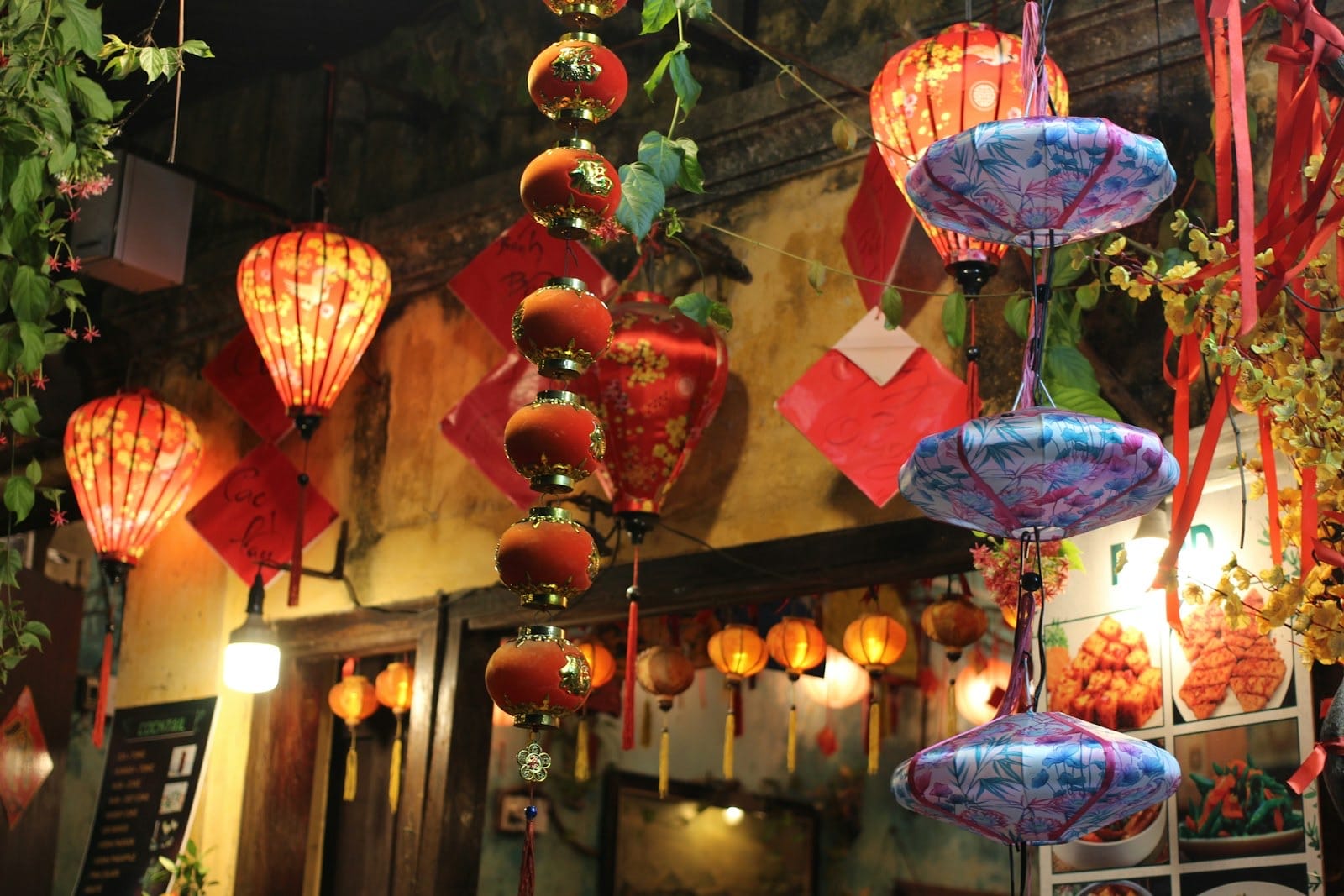 Photo: John McFetridge / Unsplash
Every travel magazine calls Hoi An "charming," which is true and nowhere near enough. Hoi An was a busy trading port from the 15th to the 19th century, and it still looks the part: a Japanese bridge, Chinese assembly halls, French colonial shophouses and Vietnamese merchant houses side by side on streets that have barely changed.
The real magic is the feeling of the place. It's small enough to walk in an hour. The Thu Bon River runs past willows and fishing boats. The light is golden, always golden, and the whole town has a calm that's almost medicinal.
The lanterns are the signature: silk lanterns in every color, glowing at night like an impressionist painting. On full moon nights the old town dims its electric lights and lets the lanterns take over. It's the kind of beauty that can bring you to tears.
On our Vietnam Experience, you'll spend a day in Hoi An with a market visit, a cooking class and a lantern-making workshop. Many travelers come back for more.
The People Will Surprise You
Vietnamese people are some of the hardest-working and most warmly curious people you'll meet anywhere.
Curiosity about Black travelers tends to be genuine and friendly. Don't be surprised if people ask for photos, especially in smaller towns, usually with big smiles. Children are fascinated, elders are welcoming, and market vendors love making sure you try everything.
You'll feel the entrepreneurial energy too. Vietnam's economy is one of the fastest-growing in the world, and it shows in every city: the construction, the new restaurants, the young professionals with big plans.
The Ha Long Bay Cruise: Why the Boat Matters
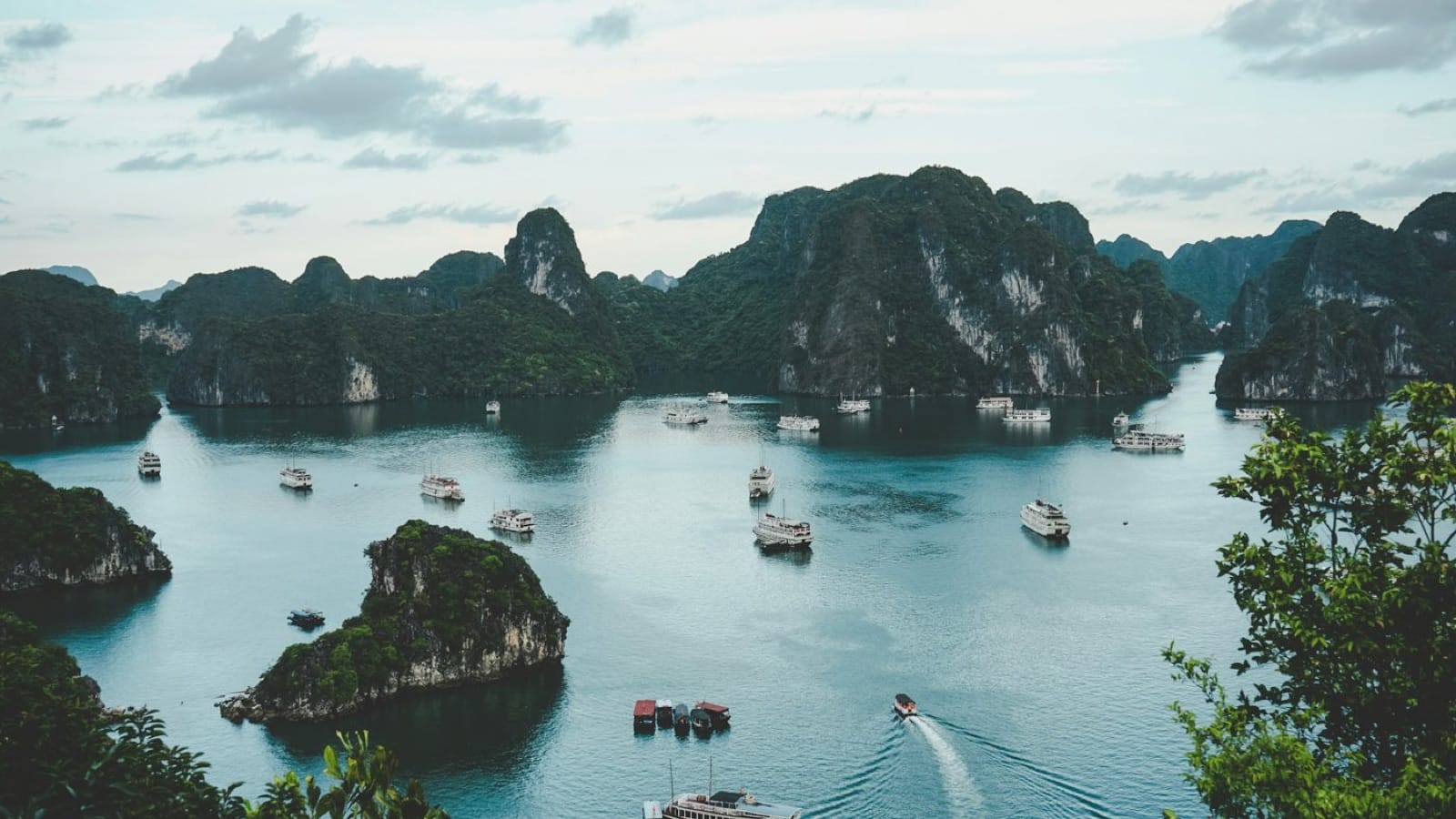
Ha Long Bay is a must. Nearly 2,000 limestone islands and islets rising from green water is one of the great sights on earth. But your experience depends enormously on your boat.
The bay is full of boats, from budget day-trip junks to luxury overnight cruisers, and the difference shows:
- Day trips: you share the bay with hundreds of other boats, visit the most crowded caves, and head back to shore having seen Ha Long Bay without really feeling it.
- Luxury overnight cruises: two nights on a well-appointed boat. You reach quieter parts of the bay and neighboring Lan Ha Bay, kayak through caves into hidden lagoons, swim in calm coves, and wake up to a sunrise that looks painted.
On our group trip, you'll sail two nights on the Essence Grand superyacht, with luxury suites, all meals on board, Sung Sot Cave and kayaking in Lan Ha Bay. Here's what to wear on a Ha Long Bay cruise.
You Will Eat More Than You Think Possible
The food in Vietnam, from sidewalk stalls to fine dining, is so consistently good that you'll eat six times a day without meaning to: pho for breakfast, a banh mi mid-morning, lunch at a street stall, coffee and a pastry in the afternoon, dinner somewhere lovely, and noodles again late at night.
Your palate will grow, and you'll come home measuring every meal against Vietnam.
Ready for Vietnam?
For the full planning picture, read my Vietnam travel guide and my 10-day Vietnam itinerary.
Our Vietnam Experience is for travelers who want the real Vietnam with every comfort taken care of. Eleven days from Saigon to Hanoi, Ha Long Bay and Da Nang, with the details handled so you can simply enjoy it. You deserve this.
Claire B. Soares is a 6X Condé Nast Traveler Top Travel Specialist and the founder of Caviar in the Air.

 Culture
 Culture
 Culture