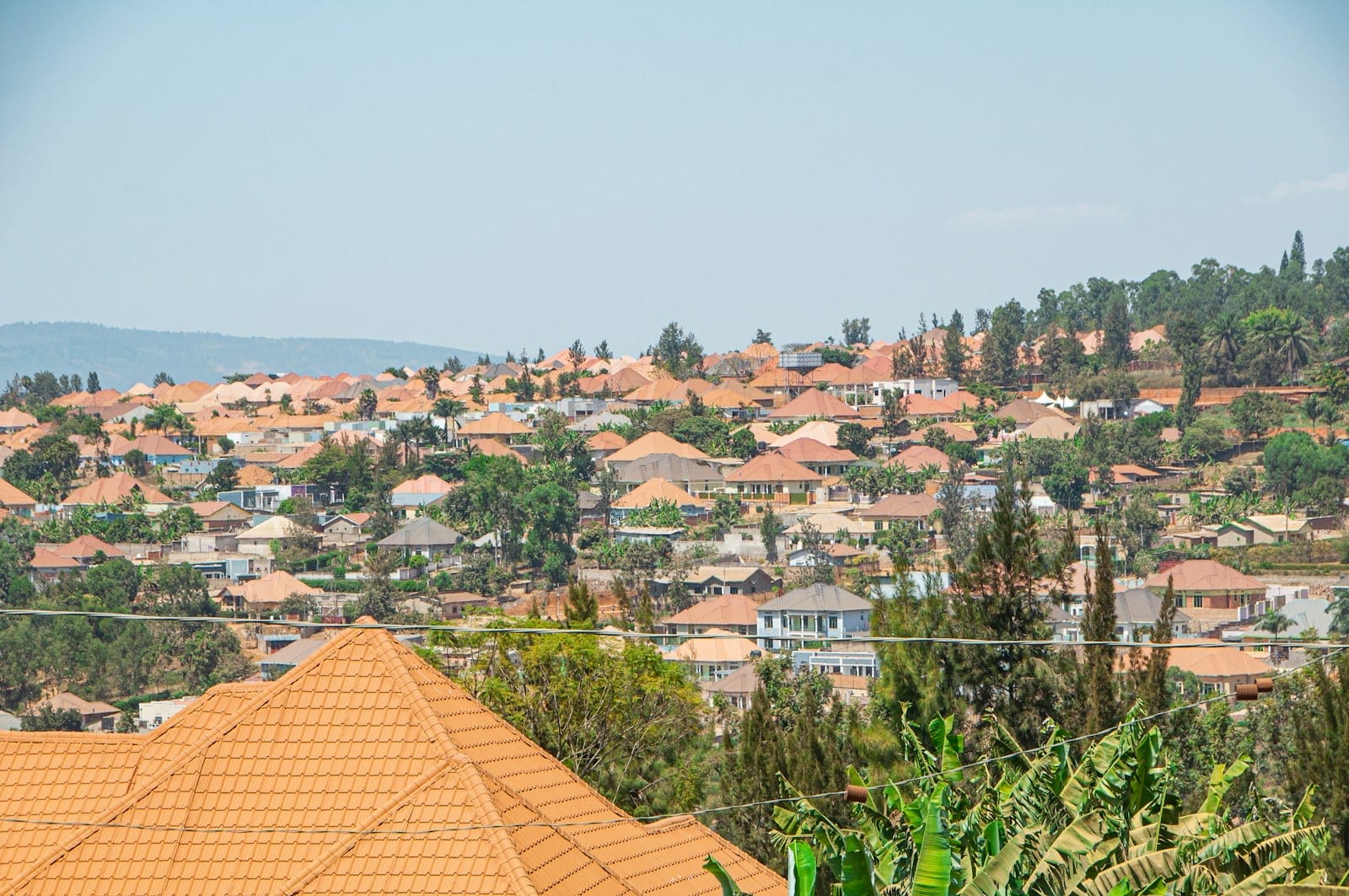
If you're traveling to Rwanda, this visit is not optional. It's how you begin to understand the country you're in and the people you're meeting.
The memorial is the final resting place for more than 250,000 victims of the 1994 genocide against the Tutsi, and it is also a place of learning.
Plan at least two to three hours at the Kigali Genocide Memorial, and go early in your trip. Entry is free and donations are welcome. Photography isn't allowed inside the exhibitions. Bring tissues, especially for the children's memorial, and give yourself quiet time afterward before your next plan.
Key facts
- Time needed: at least two to three hours.
- When: early in your Rwanda trip, because it changes how you see everything after.
- Cost: free entry, donations welcome.
- Photos: not allowed inside the exhibitions.
- Caviar trip: we build the visit into private Rwanda itineraries, quoted for your group.
What Happened in 1994
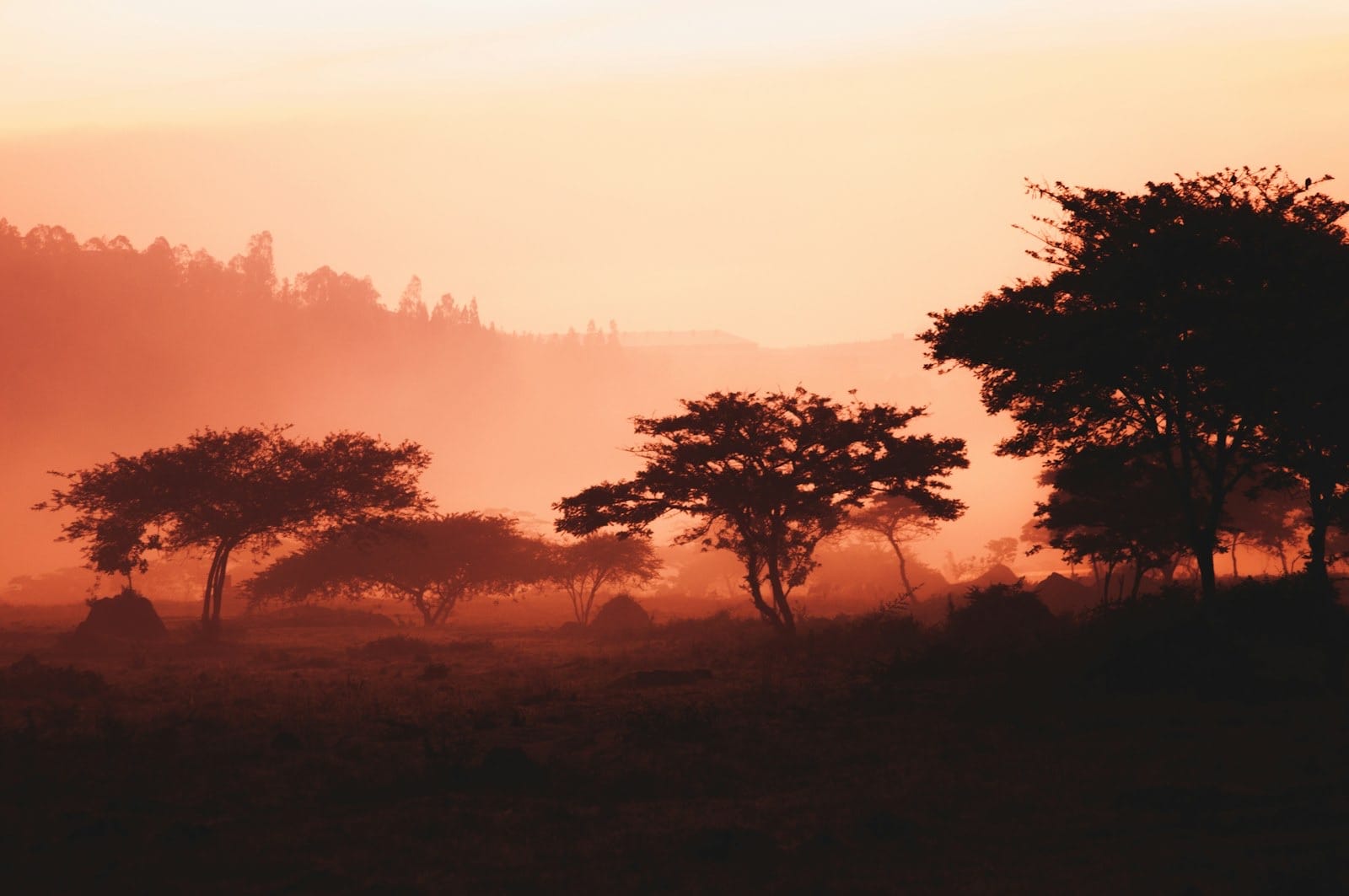 Photo: Maxime Niyomwungeri / Unsplash
Over about 100 days, from April 7 to mid-July 1994, an estimated 800,000 to more than a million people were killed, most of them Tutsi, along with moderate Hutu who opposed the killing. While it happened, the United Nations cut its peacekeeping force in Rwanda to a few hundred troops.
The Memorial Experience
The memorial has three permanent exhibitions:
- The 1994 genocide against the Tutsi: A walk through what happened, before, during and after
- The children's memorial: Photographs of children who were killed, with their names, ages and small details like their favorite foods. This is the room that breaks everyone.
- Other genocides: Rwanda's story placed within the wider history of mass atrocities
How to Prepare
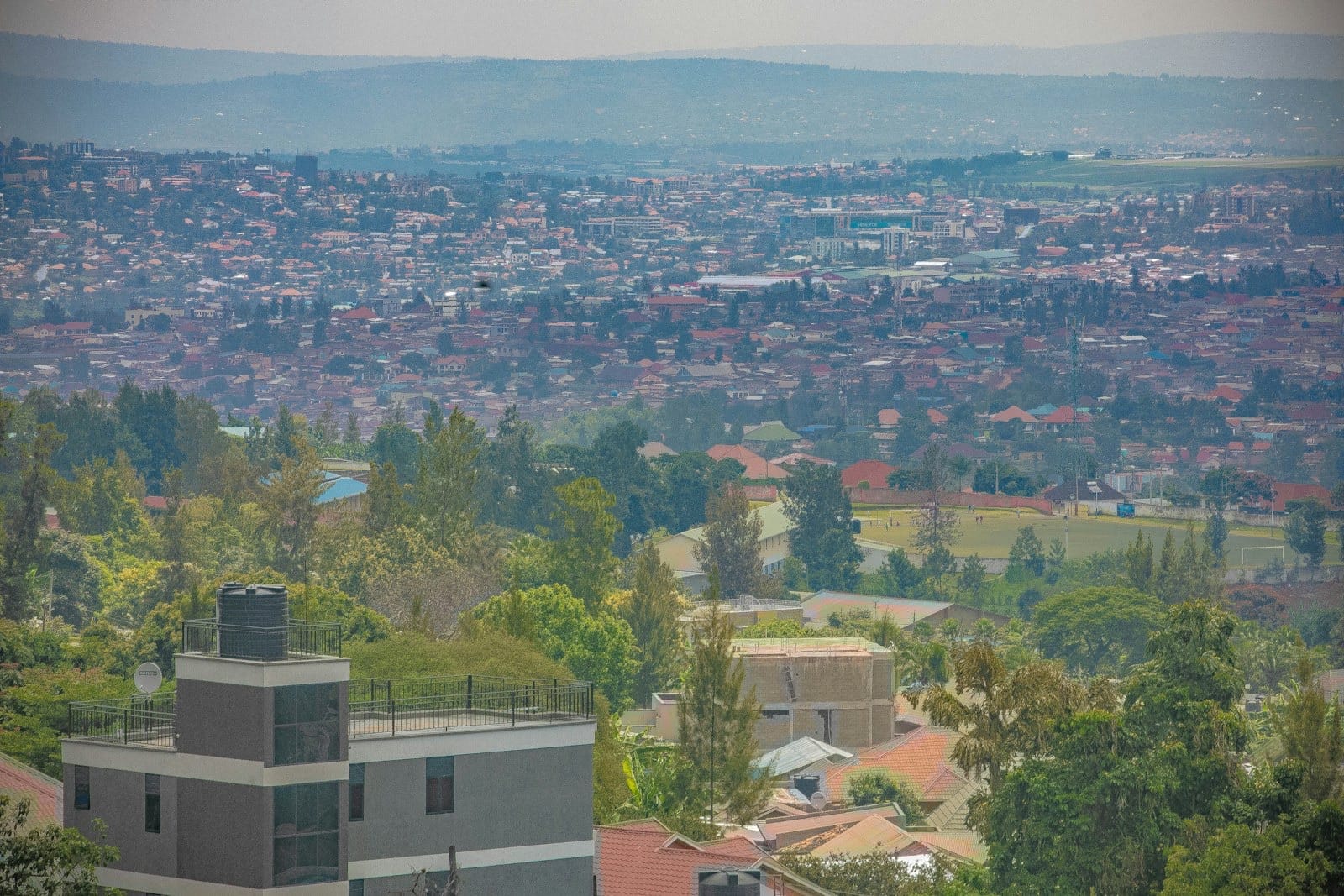 Photo: Protais Benjamin Mugenzi / Unsplash
- Allow at least two to three hours
- Go early in your trip, because it changes how you see everything after
- Bring tissues
- No photography inside the exhibitions
- Entry is free; donations are welcome
The memorial's power is that it refuses to let the victims stay anonymous. Names, faces and stories make every loss personal.
Why This Matters for Black Travelers
 Photo: Protais Benjamin Mugenzi / Unsplash
The parallels between Rwanda's ethnic division and America's racial division, both shaped by colonial-era classification, are hard to miss. Belgian colonial authorities hardened the Tutsi/Hutu distinction by issuing identity cards that listed each person's ethnicity.
But the memorial also offers real hope: proof that a nation can survive the very worst and rebuild.
When you're ready for the rest of the country, read the ultimate Rwanda travel guide and my story of gorilla trekking in Volcanoes National Park.
Book a free consultation to plan your Rwanda trip.

 Culture
 Culture
 Culture