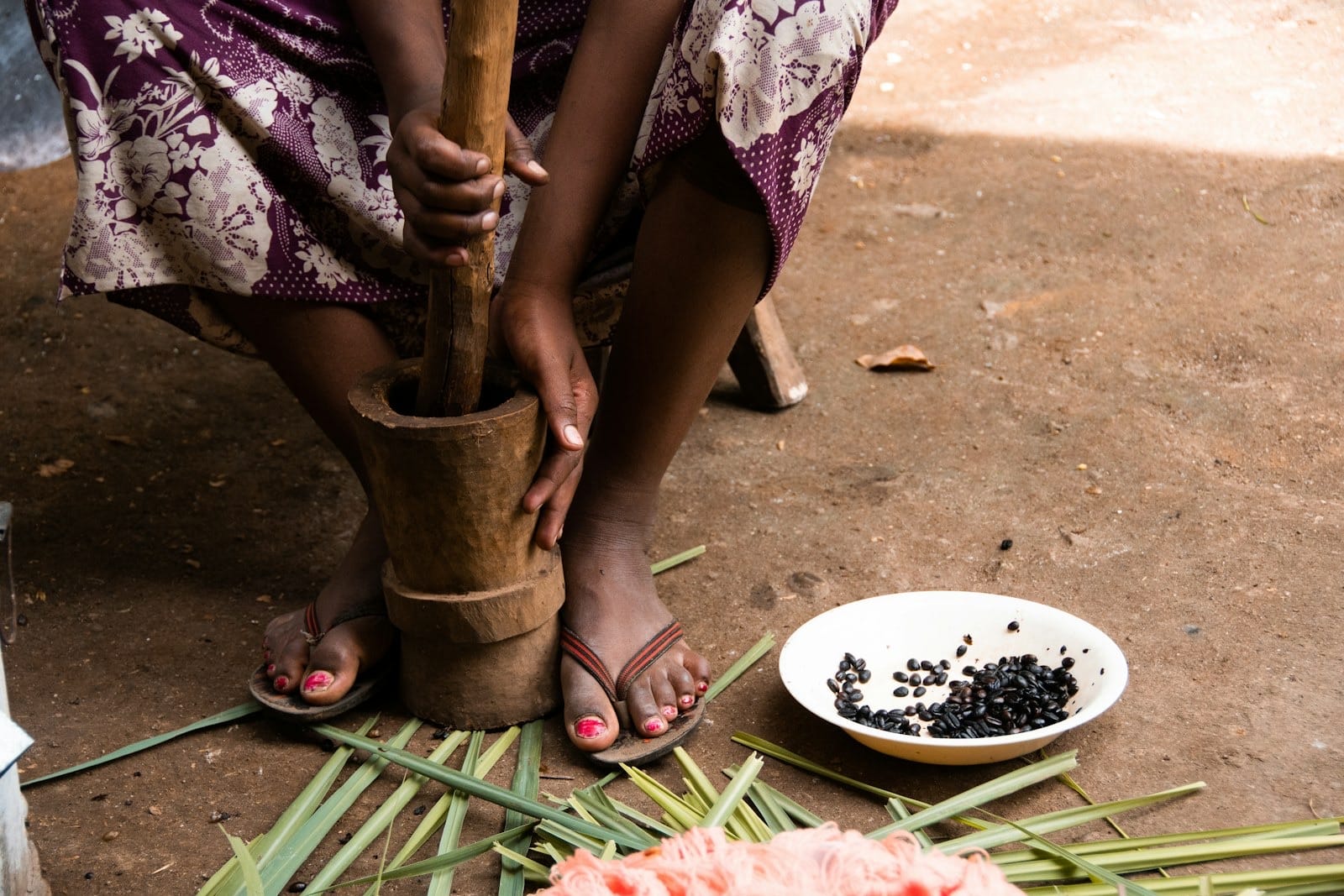
Coffee started in the forests of southwestern Ethiopia, where legend says a goatherd named Kaldi noticed his goats dancing after eating red berries. Centuries later, the Ethiopian coffee ceremony is still one of the world's most beautiful rituals.
What happens at an Ethiopian coffee ceremony? Green beans are washed, roasted in a pan, ground by hand and brewed in a clay jebena over charcoal while incense burns. You drink three rounds, Abol, Tona and Baraka, each a little lighter. It can take a couple of hours, and that slowness is the gift.
Key facts
- The three rounds: Abol (the first), Tona (the second) and Baraka (the blessing).
- How long: easily a couple of hours.
- Where to try it: we arrange private ceremonies in Addis Ababa, at your hotel or at a family home in the Entoto Hills.
- Beans to know: Yirgacheffe, Sidamo, Harar and Limu. Ethiopia is the original home of Arabica.
- Safety: as of October 2026, the US State Department rates Ethiopia Level 3 (Reconsider Travel) and the Amhara region, including Lalibela, Do Not Travel. Check the current advisory before you book.
The ceremony
The traditional ceremony has three rounds: Abol (the first), Tona (the second), and Baraka (the blessing), each a little lighter than the last.
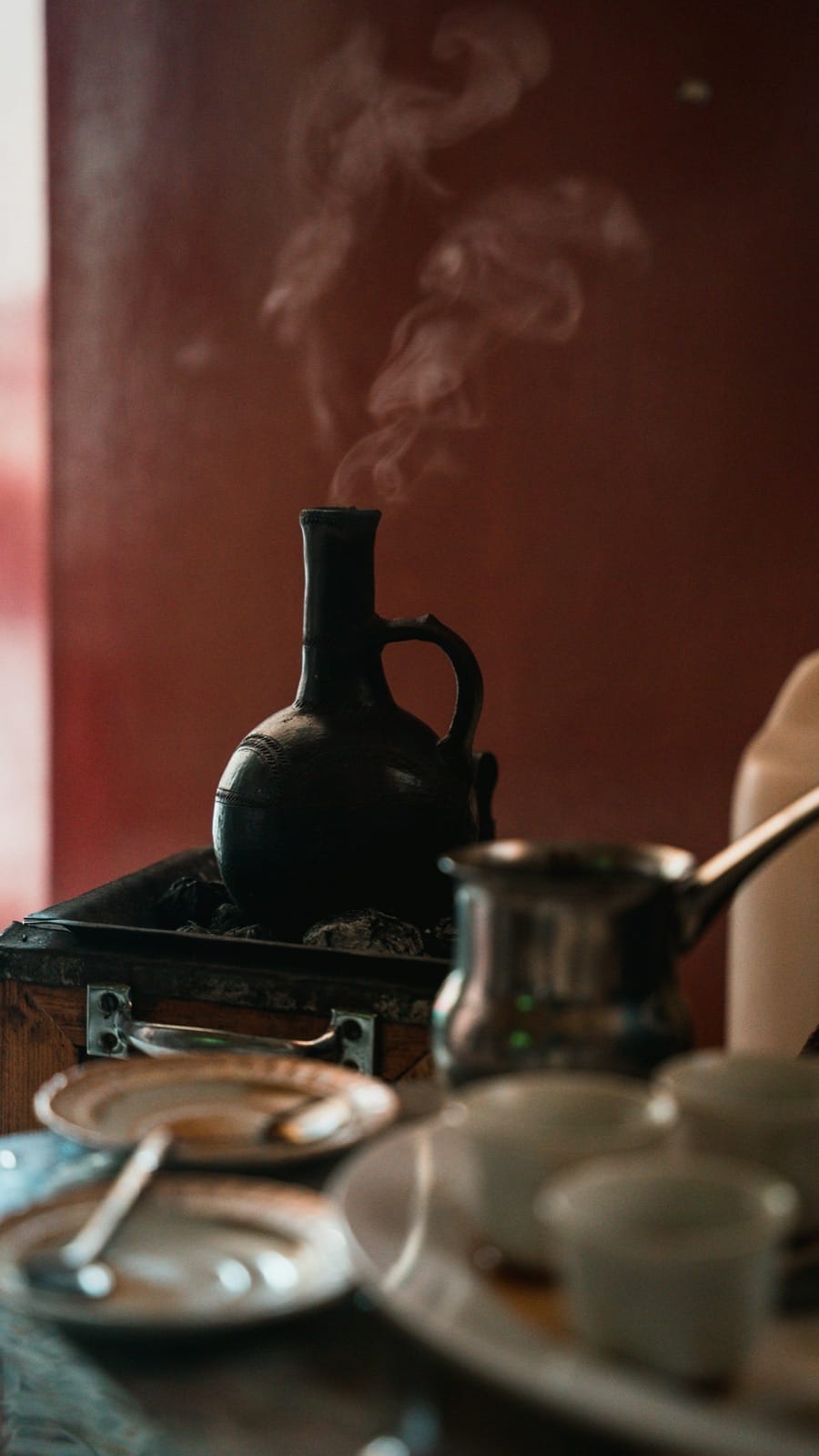 Photo: Yosef (jossy) Futsum / Unsplash
Green beans are washed and roasted in a pan, ground by hand, and brewed in a clay pot called a jebena over charcoal, with incense burning nearby. It can easily take a couple of hours, and that's the point. Coffee here is about community and taking your time with people.
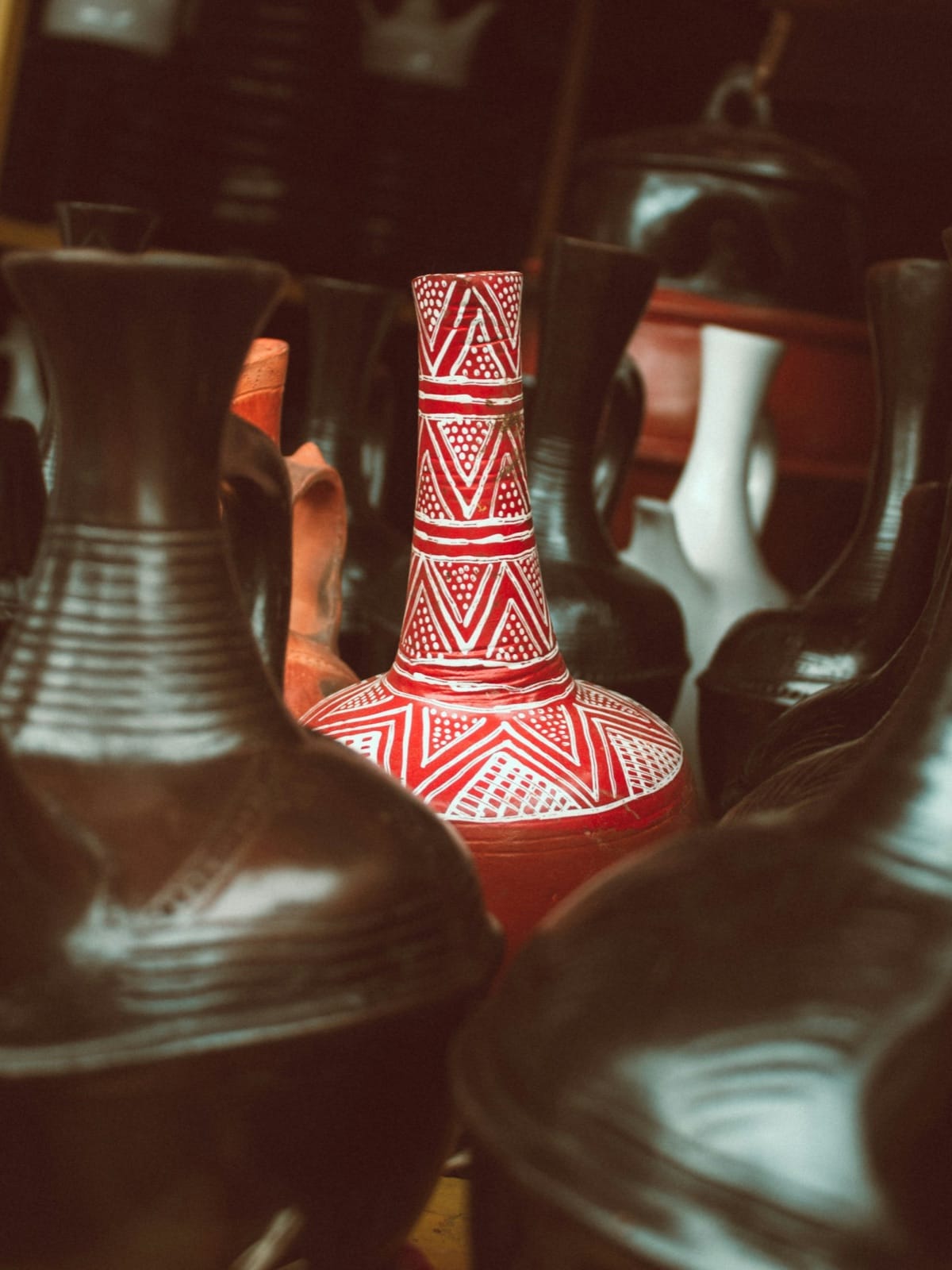 Photo: Alazar Kassahun / Unsplash
Where the beans come from
Ethiopia is one of the world's top coffee producers and the original home of Arabica. Names you'll see on specialty bags include Yirgacheffe (floral and citrusy), Sidamo (berry and wine notes), Harar (fruity and spicy), and Limu (balanced, with a little spice).
 Photo: yoseph hailu / Unsplash
Claire's coffee ritual
A full ceremony in a family home, sitting on fresh grass while the jebena warms over the coals and the room fills with incense and roasting coffee, is one of the most peaceful ways to spend an afternoon. For our travelers, we arrange private ceremonies in Addis Ababa, whether at your hotel or at a family home in the Entoto Hills. It's moving in any setting.
Planning the bigger trip? Start with my Ethiopia luxury travel guide, then read my guide to Lalibela's rock-hewn churches for when it's safe to go north.
Experience Ethiopia's coffee heritage with Caviar in the Air, where every cup carries centuries of story.

 Culture
 Culture
 Culture