Costa Rica changes how you think about what luxury actually means. You wake up in a treehouse-style suite with howler monkeys as your alarm clock, a plunge pool looking out over volcanic mist, and the quiet knowledge that your stay helps pay for rainforest protection. That's a different kind of luxury, and it has a soul.
Are Costa Rica's luxury eco-lodges worth it? Yes. You get a private plunge pool facing Arenal Volcano, open-air bungalows inside a private rainforest reserve and adults-only villas above the Pacific, and your stay supports conservation. Go December to April for the Pacific side, and pair Nayara Tented Camp with Lapa Rios for volcano and jungle in one trip.
Key facts
- Best months: December to April (dry season) on the Pacific side. September and October on the Caribbean coast, which runs on its own weather.
- Getting around: fly into San José. Arenal is about 3 hours by private transfer, and the Osa Peninsula is a short domestic flight to Puerto Jiménez.
- Where to stay: Nayara Tented Camp at Arenal, Lapa Rios on the Osa Peninsula, Kura Design Villas in Uvita.
- What to ask when you book: whether the hotel holds a Certification for Sustainable Tourism (CST) rating.
- Budget: roughly $5,800 to $11,400 per person for 7 nights (estimate as of October 2026).
Costa Rica has spent decades building something few countries have matched: a tourism economy built on conservation that doesn't ask you to give up a single thread count. Eco-travel and luxury travel turn out to be very good company.
Why Is Costa Rica the Global Leader in Luxury Eco-Travel?
Costa Rica turned its deforestation around. Forest cover fell to roughly a fifth of the country in the 1980s and has since climbed back to more than half, helped along by tourism and the country's payments-for-conservation program. The government's Certification for Sustainable Tourism (CST) grades participating hotels on their environmental, social, and economic impact, so it's worth asking about when you book.
The Best Luxury Eco-Lodges in Costa Rica
 Photo: Daniel Ingersoll / Unsplash
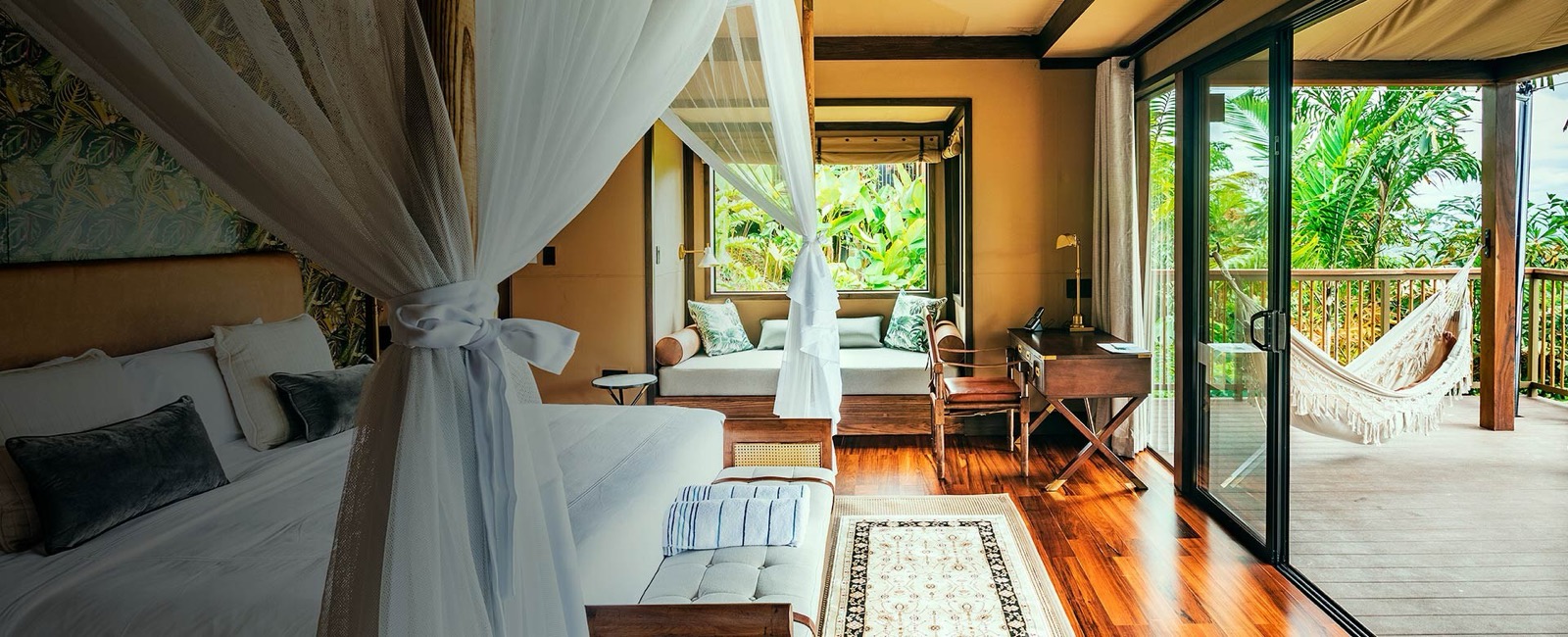
Nayara Tented Camp, Arenal Volcano
Set on a hillside facing Arenal Volcano, each tented suite has a private plunge pool and an outdoor shower. "Tented" undersells it. These are permanent structures with hardwood floors and king beds, and the property has its own hot spring pools fed by naturally heated volcanic water. If you want to see how to build a whole week around it, my 7-day Arenal to Osa itinerary starts right here. In 2026, Travel + Leisure readers named it the No. 1 resort in Central America.
 Photo: Brice Ferre, courtesy of Nayara Tented Camp
Lapa Rios, Osa Peninsula
Built into the canopy of a private rainforest reserve of roughly 1,000 acres, Lapa Rios is where eco-luxury began in Costa Rica. The bungalows are open-air and screened, so the jungle sounds wrap around you while ceiling fans and cross-breezes keep you cool. The resident naturalists lead dawn walks where toucans, sloths, and scarlet macaws are regular sightings.
Kura Design Villas, Uvita
An adults-only design hotel high on a ridge above the Pacific. The infinity pool seems to run straight into the ocean below. Each villa is clean lines, natural materials, and floor-to-ceiling windows framing the Whale's Tail sandbar in Marino Ballena National Park.
What Makes Costa Rica Special for Black Travelers?
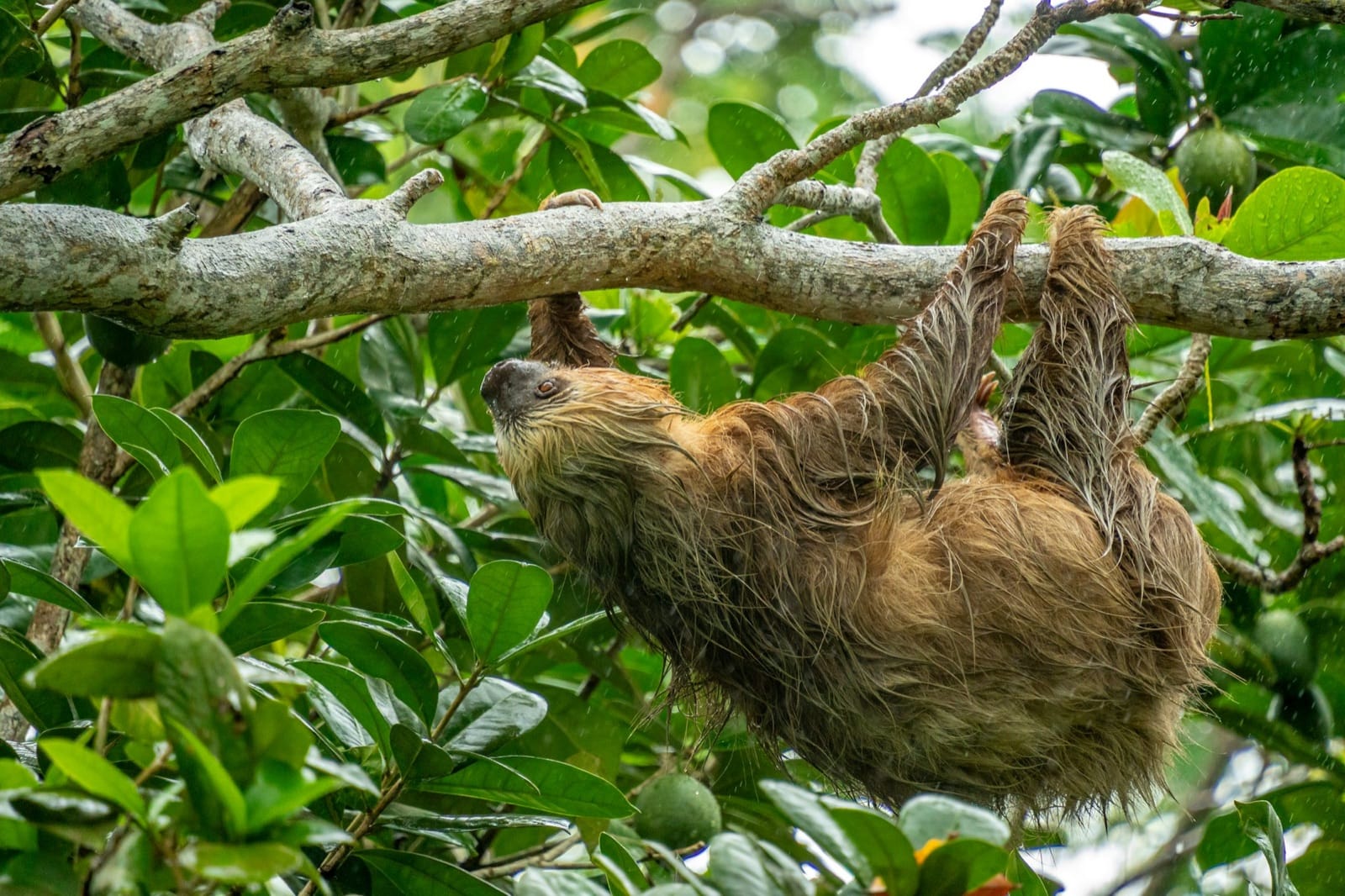 Photo: Aleksandar Popovski / Unsplash
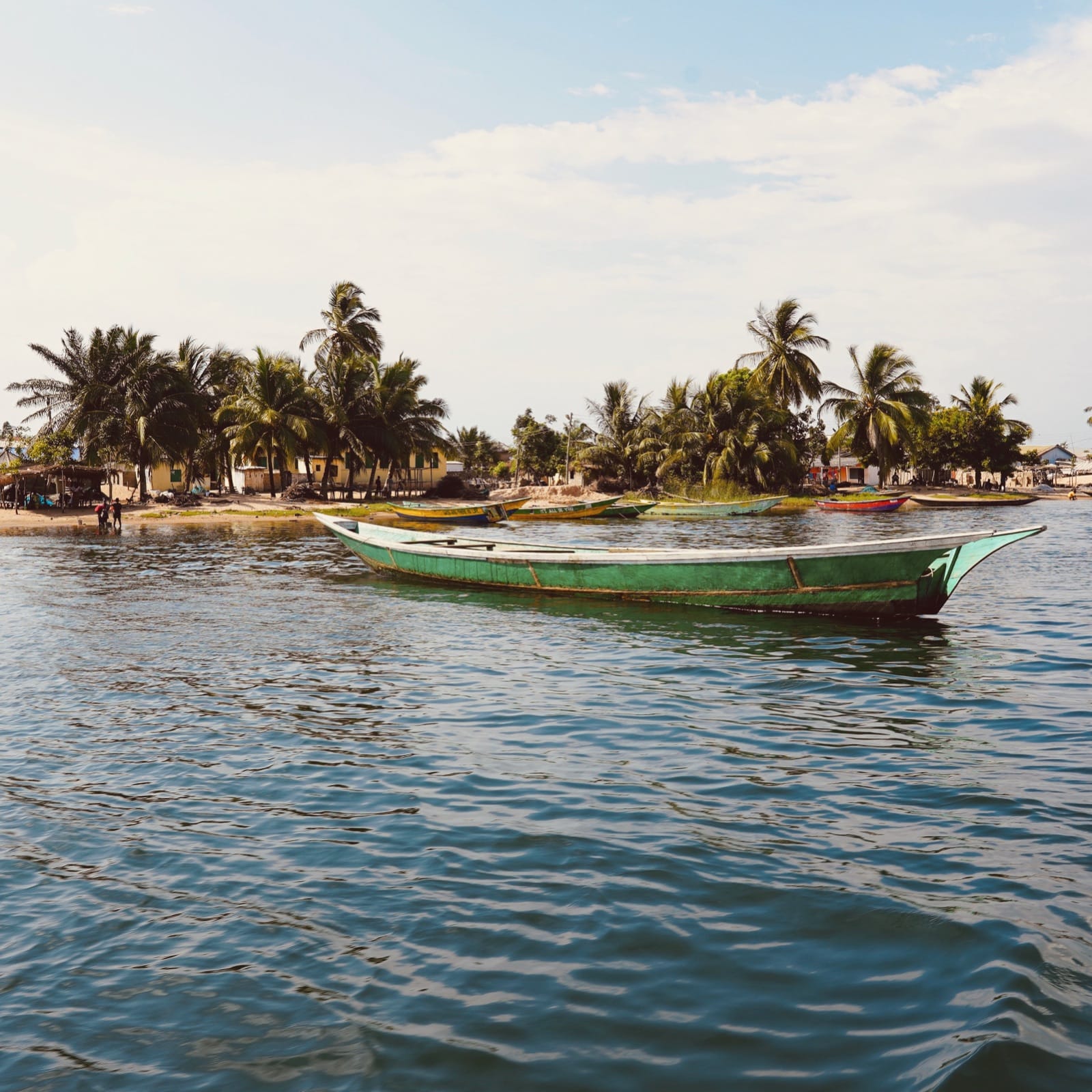
Costa Rica's Afro-Caribbean community along the Caribbean coast, centered in Limón Province, is a cultural bridge you rarely find in Central America. The region's calypso music, Caribbean cooking, and English-based Creole trace back to Jamaican workers who came to build the railroad starting in the 1870s. The food, the music, and the people feel familiar and beautifully their own at the same time. I wrote a whole guide to Costa Rica's Caribbean coast and its Afro-Caribbean culture if that side of the country is calling you.
Adventure Meets Luxury
 Photo: Fabio Fistarol / Unsplash
Costa Rica doesn't make you pick between a thrill and a soft landing:
- White-water rafting on the Pacuare River, then dinner at a riverside lodge
- Zip-lining through the canopy, then an afternoon soaking at Tabacón Hot Springs
- Snorkeling at Caño Island, then sunset drinks at a beachfront resort
- Hanging bridges walks through the forest canopy with a naturalist
Costa Rica abolished its army in 1948 and has put that money into schools, healthcare, and conservation for decades, and it's one of the calmer, easier places in the region to travel.
When to Visit and What to Budget
Best months: December to April (dry season) for the Pacific coast; September and October for the Caribbean coast, which runs on its own weather.
Rough per-person planning estimates as of October 2026:
| Category | Estimated Cost (7 nights) |
|---|---|
| Flights | $400 - $800 |
| Hotels | $4,200 - $8,400 |
| Dining | $700 - $1,200 |
| Activities | $500 - $1,000 |
| Total | $5,800 - $11,400 |
Claire's Verdict
Costa Rica is the place I recommend most to travelers who've "done" Europe and want something that feeds them differently. The eco-lodges, the wildlife, the adventure, and the Afro-Caribbean culture on the Caribbean side add up to something special. Book Nayara for volcano luxury and Lapa Rios for the jungle. You deserve to wake up to that view.
Claire B. Soares, 6X Condé Nast Traveler Top Travel Specialist

 Personal Story
 Personal Story
 Personal Story