Six days is enough to feel Iceland's range, from Reykjavik's creative streets to the South Coast waterfalls and the Golden Circle. This is our winter plan, built around Northern Lights nights, with days that are worth it even if the aurora stays home.
How should you spend six days in Iceland in winter? Arrive in Reykjavik, then give a full day each to the Golden Circle and the South Coast, add an ice cave and glacier walk, take a day trip to Snæfellsnes, and finish in the Blue Lagoon or Sky Lagoon. Keep your evenings free for Northern Lights hunts.
Key facts
- Best season: winter. Ice caves inside Vatnajökull open November to March only.
- Base: Reykjavik, with one or two nights near the South Coast (Hotel Rangá or Fosshotel Glacier Lagoon).
- Big days: the Golden Circle, the South Coast to Jökulsárlón, and the Snæfellsnes Peninsula.
- Last morning: Sky Lagoon or the Blue Lagoon, checking first that it's open.
- Our trip: the Iceland Experience, seven days at The Reykjavik EDITION in early March.
The Planning Context
Winter used to be Iceland's quiet season. Now the Northern Lights and the ice caves bring people all year.
Day 1: Reykjavik Arrival
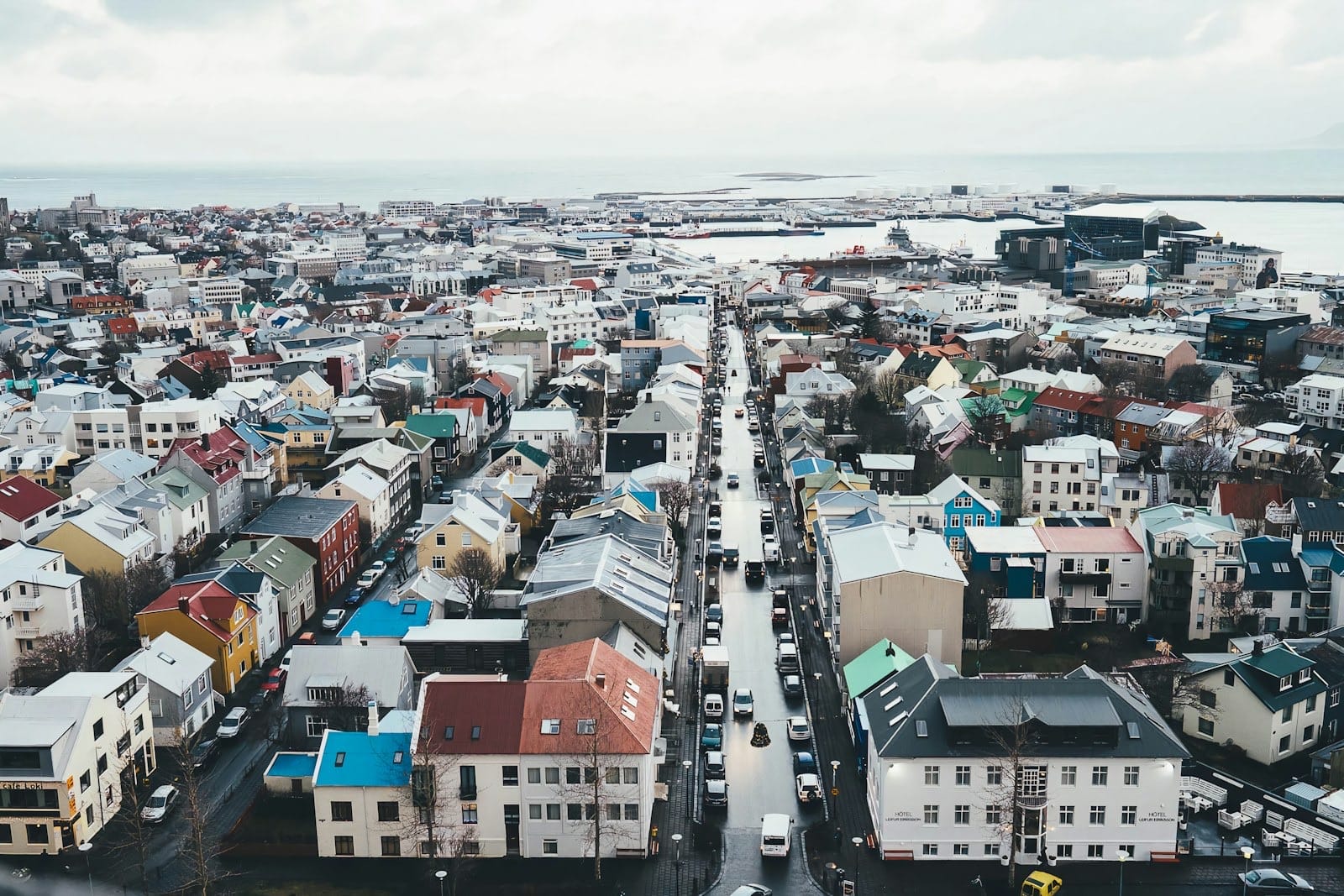 Photo: Annie Spratt / Unsplash
Land at Keflavík International Airport and transfer to The Reykjavik EDITION or Hotel Borg, both central and full of character.
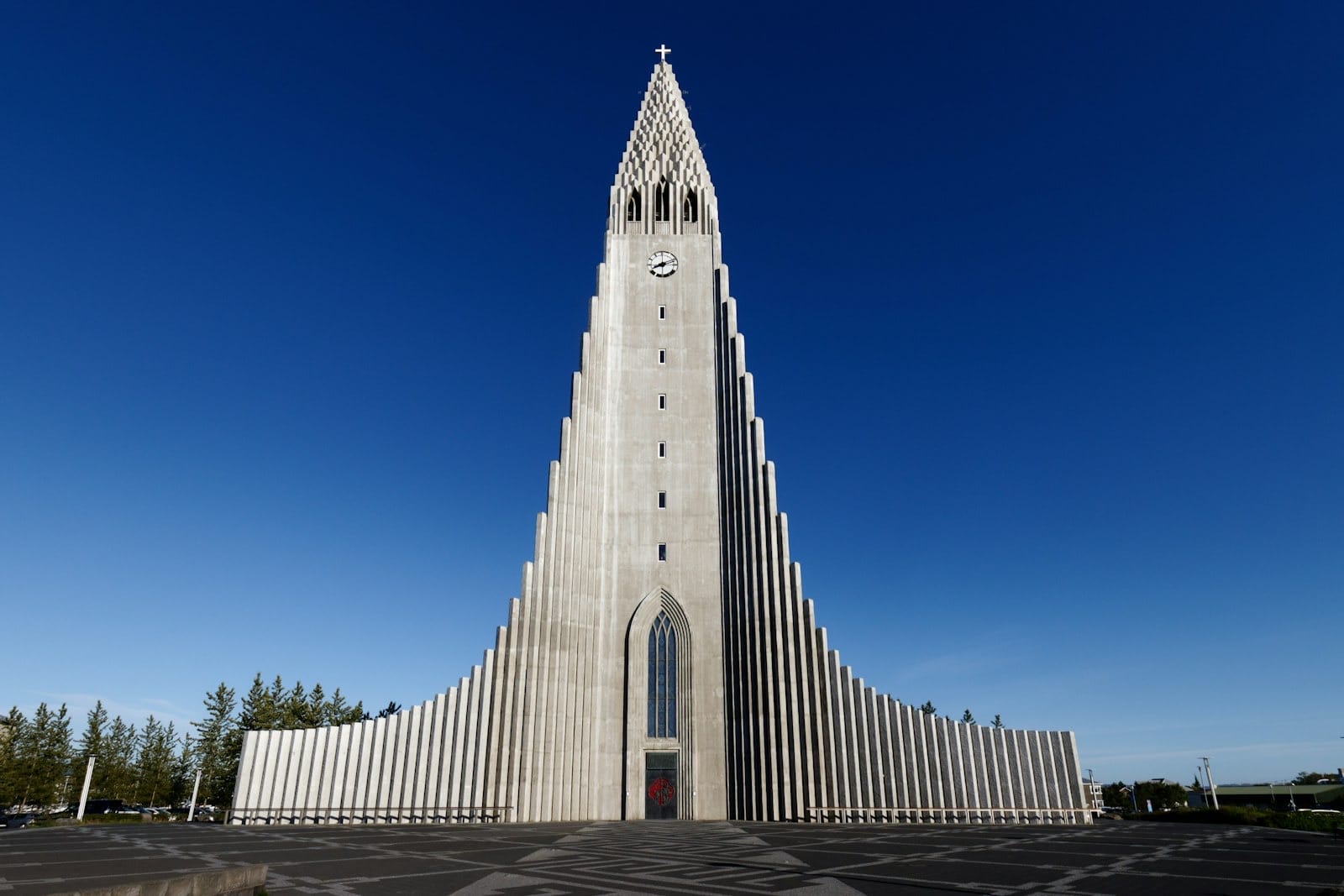
Spend the afternoon in Reykjavik: Hallgrímskirkja church (take the elevator up the tower for the view), Harpa Concert Hall with Olafur Eliasson's glass facade, and the shops on Laugavegur.
Dinner is at Dill, one of Reykjavik's Michelin-starred restaurants, for New Nordic cooking built on Icelandic lamb, langoustine, skyr and wild herbs.
Evening Northern Lights hunt (weather permitting): a private guide drives to the best spot for that night's cloud cover and aurora forecast.
Day 2: Golden Circle
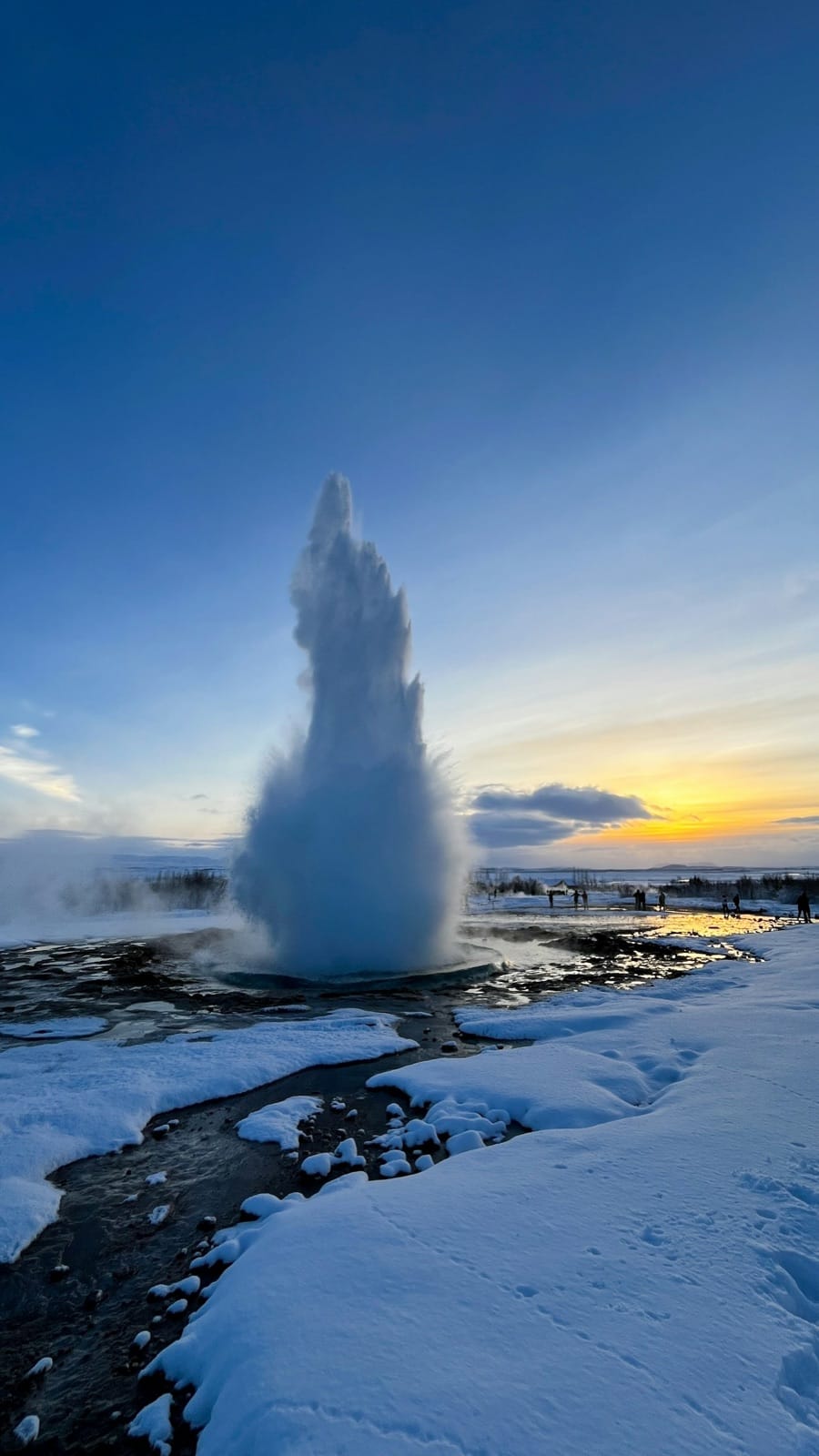 Photo: Bart van Griensven / Unsplash
A full day on the Golden Circle with a private guide:
Þingvellir National Park: walk between tectonic plates. The Almannagjá fault line is a rift valley where you can see the earth pulling apart, and it's as beautiful as it is important.
Geysir: watch Strokkur erupt every 5 to 10 minutes. The water domes, holds for a second, then shoots 15 to 20 meters into the cold air, sometimes higher. It never gets old.
Gullfoss: a two-tiered waterfall that drops about 32 meters into a narrow canyon. In winter, the ice around it freezes into sculptures.
Evening: a soak at the Secret Lagoon in Flúðir, in warm geothermal water under (fingers crossed) the Northern Lights.
Day 3: South Coast
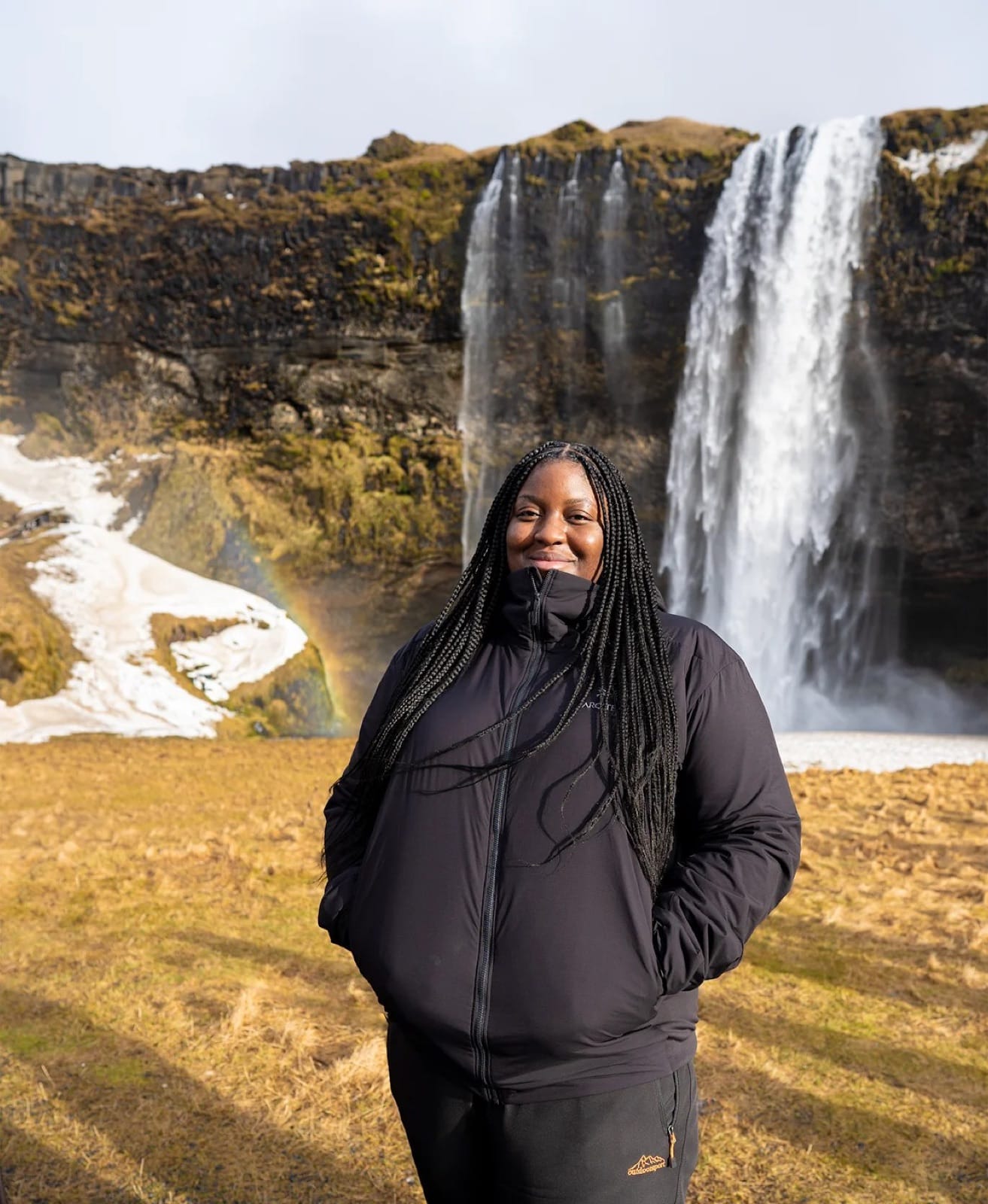
Drive the South Coast: Seljalandsfoss (you can walk behind it, so wear waterproof everything), Skógafoss (climb the 527 steps for the view from the top), and Reynisfjara black sand beach (basalt columns and big waves; stay well back from the water, because sneaker waves are dangerous).
Stop for lunch in Vík, Iceland's southernmost village.
Jökulsárlón glacier lagoon: icebergs break off Vatnajökull and drift in total quiet, then wash up on Diamond Beach, where clear ice sits on black sand like scattered jewels.
Overnight at Hotel Rangá or Fosshotel Glacier Lagoon.
Day 4: Ice Cave & Glacier
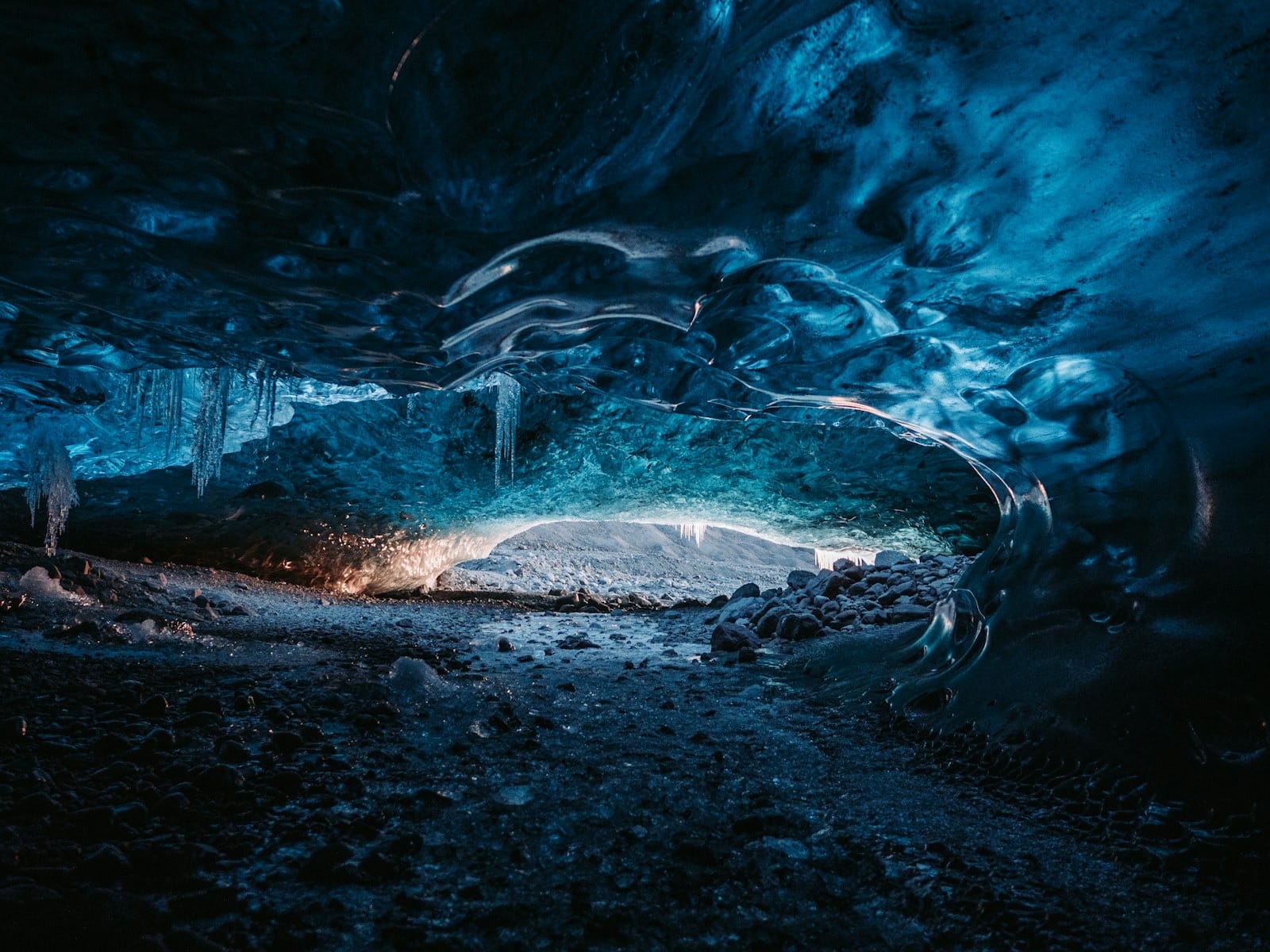 Photo: Mark Olsen / Unsplash
Morning ice cave visit inside Vatnajökull glacier (November to March only). These caves form naturally inside the glacier, and they glow electric blue, because the packed ice filters out every color but blue.
In the afternoon, a glacier walk on Vatnajökull with crampons, an ice axe and a certified guide. Walking on ice that's thousands of years old, hearing it creak under your boots, is humbling in the best way.
Drive back toward Reykjavik, with another Northern Lights hunt in the evening.
Day 5: Snæfellsnes Peninsula
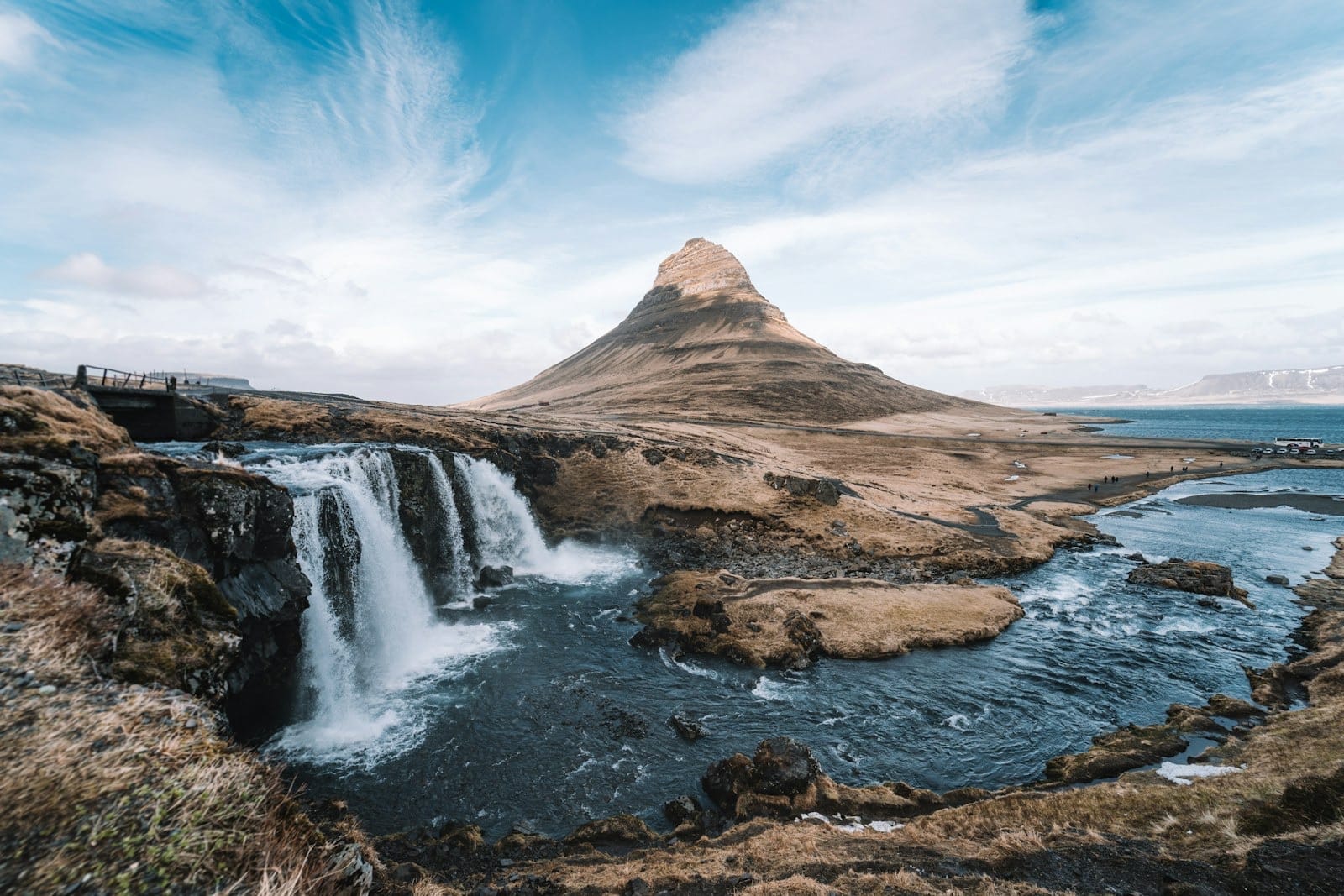 Photo: Federico Di Dio photography / Unsplash
A day trip to Snæfellsnes, nicknamed "Iceland in Miniature" because it packs the whole country into one peninsula: volcanic craters, lava fields, beaches, mountains, fishing villages, and Snæfellsjökull, the glacier-topped volcano from Jules Verne's Journey to the Center of the Earth.
Day 6: Blue Lagoon & Departure
A morning at the Sky Lagoon or the Blue Lagoon (check that it's open; eruptions near Grindavík have closed it several times). Soak, put on the silica mud mask, and let the heat take whatever tension is left.
Then it's the transfer to Keflavík for your flight home.
Our Iceland Experience is built on the same rhythm: the Golden Circle, the South Coast, a glacier hike on Sólheimajökull, the Blue Lagoon and a Northern Lights night chosen from the forecast, with Snæfellsnes as an optional extra day. Before you go, read why people cry under the Northern Lights, my guide to Iceland's hot springs and what to wear in Iceland in March. You deserve a trip that bends with the weather instead of fighting it.

 Itinerary
 Itinerary
 Itinerary